
How To Color Concrete
SwimmingPoolSteve.com is user-supported. In order to keep this resource about pools and spas available for free to all readers I earn commissions for purchases made through links on this page. For more information see the full disclaimer page. By using this website you are agreeing to the terms and conditions.
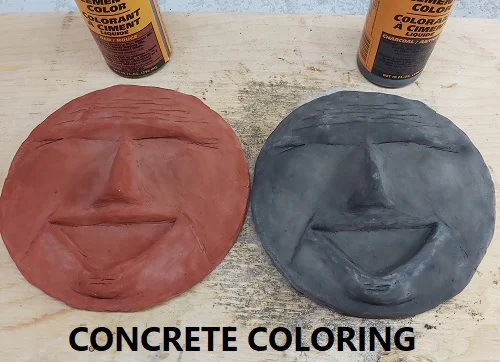
Concrete is the most versatile building material on the planet...but I hope you like the color gray! If you really want to get away from the classic light gray concrete color that permeates pretty much every physical space in our modern world you are going to have to take some drastic steps. Concrete is gray and it absolutely wants to stay that way. I remember decades ago when I first tried mixing latex paints in with my concrete mix to add color and I was shocked at how much vivid color I could add, only to watch it be instantly swallowed by the swirling gray abyss.
If you want to color concrete then you have the option of mixing a coloring agent in with the wet concrete mix (integral concrete colors) or you can explore one of a few different methods for adding a coat of color after the initial (gray) concrete has set up and cured. These methods would include concrete pigment stains, concrete paints, concrete acid stains...but there is an underlying thread that is true for all of these different concrete coloring options and that is the fact that it will be exceedingly hard to get predictable (or consistent) coloration with your concrete no matter what method you choose to try. There are a lot of factors that will affect what the finished color looks like and if you don't like the results there might not be a lot that you can do about that.

Inconsistent concrete color - No matter which way you choose to add color to concrete you need to be aware that there are a lot of different factors that will affect the consistency of the final color. For integral colors which are mixed in throughout the wet concrete any admixtures within the mix can potentially react or slightly alter the final color. The amount of water used from one mix to the next will also be at least marginally different and this too can affect the consistancy of the integral color. Whether you trowel the concrete early, or if you hit it again after is was starting to set up will also change the color even on different parts of the same concrete job! For surface color application the concerns are even greater, most especially for the age of the concrete, the admixtures and chemicals present, the amount of moisture in the concrete, even the amount of humidity in the air the day you apply the color can have a huge impact on the finished color effect.
You can literally follow the exact same technical process as closely as you are able to do so when coloring two different concrete jobs and still end up with concrete colors that do not match. It is very important to understand the difficult nature of adding coloring agents or topical colors to concrete. It can be done, it is a highly technical process, and usually you should be willing to accept some variations and inconsistencies with the final color the concrete turns out. You should also strive to plan ahead for the fact that many factors can alter the color. For example, if I was going to acid wash a concrete deck or patio I would definitely be sure to pour all of that concrete at the same time, on the same day, such that when I go to add color all of the area to be colored is the same age, same level of hydration, same mix design, same amount of cure achieved...the more variables you can work to remove the more likely you will get a predictable concrete coloration with your process. With integrally mixed concrete the concerns are similar in that even minute variations in the mix or amount of coloring agent used can result in fairly stark differences in the final color.
How To Make Red Concrete

When you are looking to add red coloring to your concrete mix most likely the first product that you will find to help you accomplish this will be an iron oxide based liquid pigment which is generally available from most big box hardware stores or online retailers. Each bottle is designed to add some coloration to two 80lb. bags of mixed concrete, or if you want a more vivid coloration then you can add as much as one bottle of pigment for every 60lb. bag of mixed concrete. Ideally you will mix the liquid pigment directly in with the water component for your mix as this will allow for the most even dispersion of color throughout your mix, but in order to do this you would need to know in advance how much water you will use in each batch of concrete. If you make a regular sized batch over and over this might work, but for most other applications it will be hard for you to know in advance exactly how much water you will need in the mix. A big part of that is due to the sand component of the mix since sand can be anywhere from bone dry to basically dripping wet and this obviously will have a large impact on how much additional water you need to add to the mix.
While the results of the red concrete might be a little on the pink side for your liking you can definitely say that we have successfully added red coloration to the finished product. If a more (most) vivid coloration is desired then the addition of a wet look sealer might help to bring out the full spectrum and depth of color in the mix. Be sure to allow the concrete to fully cure before attempting to seal the concrete as the trapped moisture within the curing concrete would most likely cause any sealer applied too early to fail.
How To Make Black Concrete

Similar to the red concrete example given above one of the first products that you will find for coloring concrete from your local hardware store will be a liquid iron oxide pigment. They do not offer these pigments in very many colors due to the nature of iron oxide and also how concrete accepts coloration. If you want more vivid color or a greater spectrum of options than just red, charcoal (black), or brown then you will need to speak with a specialty concrete products wholesaler or potentially explore surface coloring options like acid stains or concrete paints.
The only problem with these color options is that any physical damage to the concrete like a chip will reveal the light (original) gray color of concrete beneath the surface. This can make the colored concrete look pretty awful as it starts to age. For this reason an integral color may be a better option, being that the color will be evenly mixed throughout the concrete so chipped areas still look the same as the rest of it. This is definitely an advantage of an integral mixed color versus any form of topical color application to concrete.
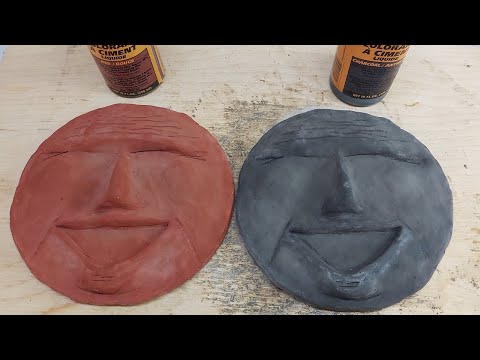
Black concrete (or charcoal concrete) is uniquely challenging to work with as the dark color highlights physical defects and imperfections in the finishing process very readily. Things like overhydration of the concrete or raising too much water during the troweling process are definitely not going to look great if you are working with black concrete. Additionally concrete tends to haze over as it cures from the presence of portland cement cream on the surface so this effect is magnified greatly with the contrast of white haze against the dark black concrete, where normally this is visually minimized as it is a white haze on light gray concrete...you hardly even notice it.
This is why colored pool plasters will usually receive an acid wash the very next day after finishing and this is to burn off the portland cement layer and reveal the full color of the aggregates contained in the mix. This might not exactly be the best thing for brand new concrete (mortar / plaster) to experience but if you paid a lot for vivid colors in your pool plaster you kind of want to be able to see them...like right away and not one to three years down the road when the plaster cream layer naturally wears away.
If you want to add color to your concrete mixes it would be a really strong idea to spend some time experimenting with concrete pieces to see how much control you are able to achieve over the consistency of the finished color. This will also give you the opportunity to hash out any mistakes in your technical process as well as evaluate how you feel about the final colors you are able to achieve. If you end up using integral colors for your concrete but you hate the final results then that is extremely unfortunate as you are relegated to removing and replacing the offending concrete or potentially exploring an overlay which is a new application of extremely thin modified concrete (mortar) such that you can add a different coloration to the new layer and hopefully be more happy with those results.
Top content from www.SwimmingPoolSteve.com
Pool and spa chemistry crash course
New pool owner guide
The Swimming Pool Steve blog
Have a question - ask Steve

Swimming Pool Steve is an award winning, second generation swimming pool specialist from Ontario Canada and one of the most trusted voices in the swimming pool industry. With over 20,000,000 views on the Swimming Pool Steve YouTube Channel, winner of the Pleatco Pool & Spa Industry Leadership award and author of hundreds of pool and spa articles both online and in print. Steve is committed to helping pool and spa owners as well as pool and spa industry workers learn more about the technical side of building, renovating, repairing and maintaining all types of swimming pools and spas. Follow Swimming Pool Steve on Facebook, Twitter and YouTube.
Paid PDF Books From Swimming Pool Steve
 Steve's Pool Survival Guide
The Swimming Pool Steve Pool Survival Guide is intended to help pool owners understand their pool and pool equipment better, understand water chemistry, water testing and chemical corrections to the water, troubleshoot the most common pool problems and have confidence in interacting and caring for their pool in the fastest possible frame of time. Also covers pool safety, things to avoid and how to operate your pool more efficiently.
 Salt Water Recommendations
Are you considering upgrading to salt water in your pool? In this paid PDF Steve talks about which pools should avoid using salt water. Find out concerns about using salt in your pool but also the potential benefits of salt water. Finally hear which specific brand and model of salt chlorine generator Steve thinks is the best option currently available to pool owners and how to choose the right size salt system for your pool.
 New Pool Heater Buyer's Guide
In this guide Swimming Pool Steve will help you to better understand your heater options as well as which would be best suited for your pool. Learn about BTU output and sizing of both gas/propane heaters as well as electric heat pumps for residential swimming pools. You will also learn about which specific brands and models of currently available pool heaters Steve likes to recommend. If you are thinking of adding a new pool heater to your equipment pad this buyer's guide would be a useful resource to help you make a more informed buying decision.
 New Pool Installation Value Guide
This is a value shopping guide written by Swimming Pool Steve to help home owners hiring for a new pool installation to get the maximum value for their investment with tips about how to protect your interests during the vetting, hiring and pool installation process. Anyone serious about having a pool installed will find value in this guide. Pool installers will sell the pool package that is best for them - not for you! Become an informed value shopper with this PDF guide.
Endorsed Brands From Swimming Pool Steve
The following links and products are to affiliates of the Swimming Pool Steve website. These are brands, products and services hand selected by Steve for endorsement. Please note that these endorsements can include monetary compensation, affiliate links and referral fees to Swimming Pool Steve, however there is zero additional cost to you should you use one of these products or services. Income generated from these links helps to keep this pool and spa resource available for everyone. To have your product or service considered for listing here as an endorsed brand email SwimmingPoolSteve@gmail.com.
Amazon Disclosure Statement - As an Amazon Associate I earn from qualifying purchases.

www.PoolPartsToGo.com
New Black + Decker variable speed pumps are available online from www.PoolPartsToGo.com and they are a drop in replacement for many popular pump models including Pentair Superflo and Hayward Super Pumps. With an adjustable platform base, union connections included and a very strong warranty these pumps offer an impressive value to pool owners.
- Swimming Pool Steve