
Is It Hard To Paint A Pool?
SwimmingPoolSteve.com is user-supported. In order to keep this resource about pools and spas available for free to all readers I earn commissions for purchases made through links on this page. For more information see the full disclaimer page. By using this website you are agreeing to the terms and conditions.
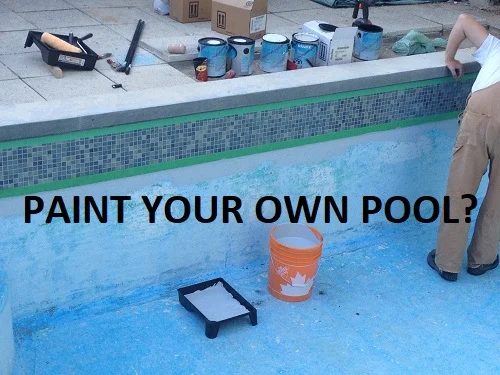
Is it hard to paint a swimming pool? Could you do it yourself instead of hiring a pool professional to paint your pool for you? I mean, sure, you can do just about anything you set your mind to but I would like to provide you with some important context about painting pools that you really need to know before you decide to take this project on for yourself. I guarantee there is more to consider here than you are suspecting and the information on this page might just save you thousands of dollars in wasted effort even if you do decide to end up painting your own pool. I hope that you will read this page in full so you can be aware of the pitfalls as many pool owners have painted their own pools only to see a total failure of the paint right away after filling the pool.
What could be so hard about painting a pool anyway? In reality even just draining a concrete pool without the guidance of a professional is a huge risk. Concrete pools can and do pop out of the ground if you drain them the wrong way, or even just draining them at the wrong time of year! In attempts to save some money on a professional installing a new interior surface in your concrete pool you might end up devaluing your pool greatly. Did you know that most concrete pool specialists say that you should never paint a concrete pool. Any concrete pool. You might write that off as a pool dealer looking to protect their bread and butter work, however you would be overlooking the fact that these people know a lot more about pools than you do and usually you are well advised to listen to the advice of industry professionals. Painting a pool in most cases is not even a money saving option that you think it might be and worst of all paint is inferior to all other interior surface options in pools so yo can end up paying extra for what is the lowest quality finish you can put in a pool. This is sounding less and less like a good deal as we go on...

Dangers of draining a concrete pool - As a concrete pool specialist I am constantly amazed by how bold swimming pool owners are with their pool. I have been building (and draining) pools for 30 years and it still makes me nervous to do. If you are draining your pool without a care in the world then you must be out of your mind. Pools can pop out of the ground more easily than you think and just because you have drained a pool before does not mean it will work this time. Water tables change over time with local development in your area. Things like hydrostatic relief valves in the bottom of your main drain can become rusted and sealed shut with age. Even a heavy rain that surprises you can spell doom for your concrete pool. If you are going to drain your pool you had better know what you are doing. You should be able to control ground water around your pool and you should be draining during the most predictably dry weather that you can. Since it can take weeks for some pool paints to cure the pool may have to be empty for weeks. Every year I hear from concrete pool owners who have drained their pool in May and are wondering how to stop all the water from leaking in. You should never drain a concrete pool during times of heavy ice melting or when heavy downpours of rain would be common. A simple mistake like attempting to drain a concrete pool in an area with a high water table in during spring rains can result in a destroyed pool.
How to drain a swimming pool
Identification of existing pool paint - If you want to paint your swimming pool then you will need to be able to determine which paint it was last painted with. If you are thinking that this question is easy for you since your pool has never been painted before then I would strongly encourage you to read this article about why painting actually costs more than plastering your pool in the long run: pool plaster versus paint. In most cases you will not save money by painting the pool at all so if you have a plaster pool that is yet to be painted I encourage you to reconsider. Invest in plaster and you will have a longer service life and a higher quality interior surface. As soon as you commit to paint then you will need to one day sandblast the surface of your pool before you can go back to plaster or any other mortar based interior surface. If you already have a painted surface then identification of the existing paint type is critically important. You can only paint with the same type of paint that you have now or you can count on having a conflict between the layers which will result in the new layer not adhering. There are three main paint types and each has their own solvent that you can use to solvent test the paint, however the ability to determine correctly the results of this test are harder than you would think.
Pool paint solvent test:
Acrylic paints = Denatured alcohol
Chlorinated rubber paints = Xylene
Epoxy pool paints = MEK (methyl ethyl ketone)
The acrylic paint is definitely the easiest to spot in a pool and the easiest to test for using these solvent tests. Simply put paint chips directly into the solvent of choice and swirl gently to see if they soften. They will not dissolve completely but only start to break down and this is why it can be a little difficult to determine using the solvent test in the field. The rubber paints and epoxy paints are unfortunately very similar and fairly inconclusive when solvent testing. This can lead to errors where you choose the wrong type of paint to reapply over your existing paint and a total failure of the new layer to bond and cure. This is common enough of a problem that identification of the existing paint layer is probably your biggest overall challenge if you want to paint your own pool. Definitely go check the basement, the garage and the storage sheds for old cans of pool paint which can help point you in the right direction. Remember this also when you finish your pool painting and stash away the extra paint or at least one empty paint can for future owners to reference. You will save someone a huge headache one day by doing this.
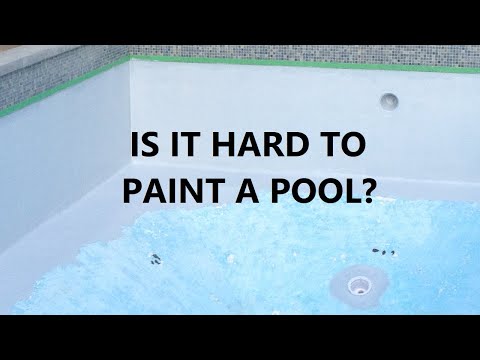
If you manage to get lucky with all of the other pitfalls I have mentioned on this page then you will find yourself with an empty pool that you are trying to dry up in order to paint. Only acrylic paint applies to a damp pool shell. The other (more common) options are going to need the shell to be bone dry before you can apply them. This is pretty hard to do as you will discover as the pool shell will want to stay wet. Follow the directions from your pool paint manufacturer but you will probably see that your pool shell needs a week or more of hot and dry weather in order to actually dry. Concrete really holds moisture so you will find that the floor, especially the deep end, will just not dry up. It could be that your pool needs to be drained at a different time of year, or it could be that your pool shell will never get dry due to water directly under the pool floor. In these cases you can attempt to torch the wet areas but you will not be able to keep them dry for a week or more while the paint cures. Such is the technical challenge of painting swimming pools, especially using solvent or epoxy based paints. Acrylic paints apply to a damp shell which is a huge advantage, however they are also the lowest quality of paint and provide the least protection against water permeation.
How to paint a concrete pool with acrylic pool paint
So pool paints are hard to determine what was used last time, arguably not a cost savings over having your pool replastered, undoubtedly look and feel inferior to plaster or tile, and have a high potential for failure due to not being able to prepare the pool shell properly. When you consider all of these downsides perhaps you can understand more why some concrete pool specialists say that you should not paint concrete pools. However there is not one answer that fits all situations and if you do decide to paint your own swimming pool hopefully some of the warnings I have mentioned will allow you to be better prepared for the challenges you will face.
Top content from www.SwimmingPoolSteve.com
Pool and spa chemistry crash course
New pool owner guide
The Swimming Pool Steve blog
Have a question - ask Steve

Swimming Pool Steve is an award winning, second generation swimming pool specialist from Ontario Canada and one of the most trusted voices in the swimming pool industry. With over 20,000,000 views on the Swimming Pool Steve YouTube Channel, winner of the Pleatco Pool & Spa Industry Leadership award and author of hundreds of pool and spa articles both online and in print. Steve is committed to helping pool and spa owners as well as pool and spa industry workers learn more about the technical side of building, renovating, repairing and maintaining all types of swimming pools and spas. Follow Swimming Pool Steve on Facebook, Twitter and YouTube.
Paid PDF Books From Swimming Pool Steve
 Steve's Pool Survival Guide
The Swimming Pool Steve Pool Survival Guide is intended to help pool owners understand their pool and pool equipment better, understand water chemistry, water testing and chemical corrections to the water, troubleshoot the most common pool problems and have confidence in interacting and caring for their pool in the fastest possible frame of time. Also covers pool safety, things to avoid and how to operate your pool more efficiently.
 Salt Water Recommendations
Are you considering upgrading to salt water in your pool? In this paid PDF Steve talks about which pools should avoid using salt water. Find out concerns about using salt in your pool but also the potential benefits of salt water. Finally hear which specific brand and model of salt chlorine generator Steve thinks is the best option currently available to pool owners and how to choose the right size salt system for your pool.
 New Pool Heater Buyer's Guide
In this guide Swimming Pool Steve will help you to better understand your heater options as well as which would be best suited for your pool. Learn about BTU output and sizing of both gas/propane heaters as well as electric heat pumps for residential swimming pools. You will also learn about which specific brands and models of currently available pool heaters Steve likes to recommend. If you are thinking of adding a new pool heater to your equipment pad this buyer's guide would be a useful resource to help you make a more informed buying decision.
 New Pool Installation Value Guide
This is a value shopping guide written by Swimming Pool Steve to help home owners hiring for a new pool installation to get the maximum value for their investment with tips about how to protect your interests during the vetting, hiring and pool installation process. Anyone serious about having a pool installed will find value in this guide. Pool installers will sell the pool package that is best for them - not for you! Become an informed value shopper with this PDF guide.
Endorsed Brands From Swimming Pool Steve
The following links and products are to affiliates of the Swimming Pool Steve website. These are brands, products and services hand selected by Steve for endorsement. Please note that these endorsements can include monetary compensation, affiliate links and referral fees to Swimming Pool Steve, however there is zero additional cost to you should you use one of these products or services. Income generated from these links helps to keep this pool and spa resource available for everyone. To have your product or service considered for listing here as an endorsed brand email SwimmingPoolSteve@gmail.com.
Amazon Disclosure Statement - As an Amazon Associate I earn from qualifying purchases.

www.PoolPartsToGo.com
New Black + Decker variable speed pumps are available online from www.PoolPartsToGo.com and they are a drop in replacement for many popular pump models including Pentair Superflo and Hayward Super Pumps. With an adjustable platform base, union connections included and a very strong warranty these pumps offer an impressive value to pool owners.
- Swimming Pool Steve