
Why Does My Pool Pump Lose Prime?
SwimmingPoolSteve.com is user-supported. In order to keep this resource about pools and spas available for free to all readers I earn commissions for purchases made through links on this page. For more information see the full disclaimer page. By using this website you are agreeing to the terms and conditions.
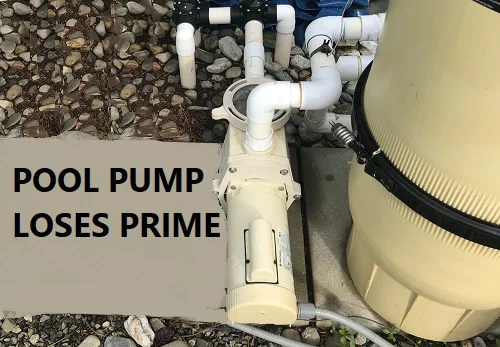
There are a lot of reasons why your pool pump might lose prime so this article will look at most of the common reasons why this might happen. For a pool technician trying to troubleshoot a pump that keeps losing prime the process will be a step by step process of elimination. If you look at the most common reasons that a pump can lose prime you can either eliminate these possibilities, or more likely locate the source of the problem.
The first step in solving a problem with a pump losing prime is to note or recreate the circumstance which causes the pump to lose prime. For example if your pump loses prime every time that you try to connect the vacuum then this is very noteworthy and likely the solution to your pump problem has something to do with the vacuum and hose itself, or the additional strain that connecting a vacuum to the system introduces to the pump. In this way it will be helpful to try to note when and why your pump is losing prime. If your problem is that your pump is turning itself off periodically, or you are finding your pump off, then this could be a different problem than losing prime and you should read this article about why does my pool pump turn itself off?

Pump loses prime from electrical brownout - There are a few different ways in which interruptions to electricity or inconsistent voltage supplied to your pump can cause issues with the pump losing prime. Commonly pool pumps can overheat during the heat of the day which can cause the internal thermal disconnect to trip, can cause the electrical breaker to trip, or can cause increased resistance in the electrical connections which drop voltage and deliver lower voltages to the pump temporarily. Temperature affects resistance and so a heat generating electrical connection will increase in resistance as it gets hotter, which in turn will cause it to heat up more, which will cause further increase in electrical resistance...this is how electrical fires happen. Pool pumps can catch on fire like this. Before the pump ever catches on fire it would exhibit symptoms like tripping breakers or losing prime. If your pump is losing prime and it is hot-as-heck to the touch then it could be your motor is failing, drawing too much electrical current, is getting too hot, and this is increasing the electrical resistance in the pump circuit which means the pump is not receiving the voltage it needs which makes it run improperly and potentially lose prime.
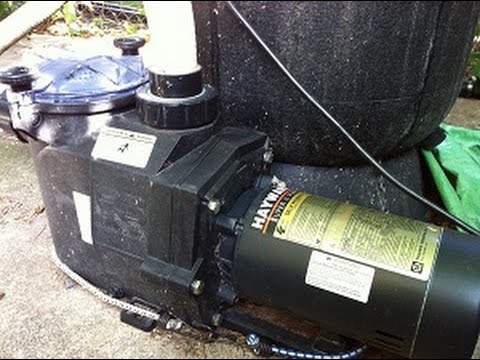
Pump loses prime while vacuuming - There are a few reasons that could make your pump lose prime when you are vacuuming the pool. First when you connect the vacuum hose to the suction (either a vacuum port or the skimmer suction plate) you are putting additional strain on the pump. In effect the suction pipe from your pump to your pool might be 20' long, but plugging in your vacuum hose can make the total distance now 20' plus the length of vacuum hose itself. If you have a pump that is undersized or perhaps nearing the end of service the additional pull may be simply too much for it. More commonly than this, as even small pool pumps are quite powerful, it is common to have defects in the vacuum hoses themselves which can allow air to draw in through small abrasions or cracks in the pipe. You can try removing sections of vacuum hose one at a time to see if the system picks up prime, or you can also try manually holding each section of vacuum hose fully under the water level to see if the pump primes again. The addition of a vacuum to a plumbing system and the additional strain this puts on the pump can cause a failing or weak gasket to start pulling in air. Lubricate all gaskets and o-rings including the pump lid gasket with a silicone based lubricant to help prevent the pump from losing prime through a leaking gasket.
Pump losing prime from low water level - A very common reason for a pool pump to lose prime is from the water level in the pool being too low, or possibly the weir in front of the skimmer mouth getting stuck in the up position. Both of these will cause a momentary restriction to the water entering the skimmer. Since pumps are so powerful and move so much water it takes only a second for the pump to drain the skimmer dry or at least create a vortex whirlpool that snakes to the water surface and allows the pump to take a draw of air. A closed loop plumbing system which is what a pool filtration system is should not be open to air. The moment that the pump is able to draw air it will lose prime. This effect is similar to holding a finger over one end of a straw and lifting the straw out of the liquid. There is a vacuum being created, similar to a closed loop plumbing system and this force is powerful enough to lift and hold the water in the straw. However the moment you take your finger off the end and lose the vacuum the water immediately drains from the straw. When a pump momentarily takes a pull of air, not water, this is like taking your finger off the end of the straw in that the pump will immediately lose prime. Double check that your water level is well above the minimum amount. You should have the water level half way up the mouth of the skimmer. Lower water might look like enough but the pump might be able to vortex and whirlpool enough to draw air, causing the pump to lose prime.
Pump losing prime from plumbing leaks - As with the above example a closed loop plumbing system requires vacuum in order to operate and any defects within the system that bleed to atmospheric pressure can result in the pump losing prime. In the event of a plumbing leak there are a few ways that this can manifest which may be confusing to a pool owner. First the leak may not present when the pump is operating normally and only start to lose water when a certain plumbing configuration is selected. Or there can be a leak within the ground that causes the pump to lose prime when the ground is dry but during and after periods of heavy rain the pump runs fine and does not lose prime. It could be the leak in the suction system is submerged in ground water on occasion which prevents the pump from losing prime. The intermittent nature of how plumbing leaks can present themselves can make diagnosis of these somewhat difficult. If a leak is suspected in the plumbing system for a pool often the best, most efficient recourse is to pressure test the system which will help to identify any leaks or deficiencies within the system. For more information you can read this article about pressure testing pool systems.
Pump loses prime from a closed valve - A closed valve preventing the pump from running is another way of saying "deadheading" the pump. This means that the pump is trying to run but the plumbing system is currently closed or otherwise restricting the flow of water. This is like trying to drive your car at full speed, but at the same time there is a brick wall completely blocking the road. Deadheading the pump is actually a dangerous situation as this can cause pressures to rise within the system that can result in explosion or sudden decompression including the pool filter. It is very important to make sure that you never deadhead your pump. In the event that your pump loses prime be sure to check that your valve orientation is such that the pump is not meeting a brick wall within the system. Pool automation systems including motorized valve actuators are more popular than ever. If a valve actuator were to malfunction or the programing of an automation system to be thrown off schedule then you may find you have a valve that was closed which gave the impression that the pump lost prime, when in reality the more accurate statement is that the pump hit a brick wall and was unable to continue pumping.
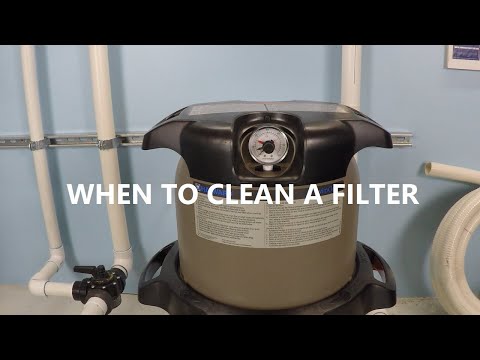
Pool pump loses prime from dirty filter - In the above example you learned how deadheading a pump with a closed valve is dangerous and causes the pump to lose prime. In the same way a dirty filter can also cause your pool pump to lose prime. As the filter media catches debris the amount of debris and organic material will build up. Eventually the flow will become restricted and the pressure in the system along with the resistance to flow increases. In fact this is exactly how you are supposed to know when it is time to clean your pool filter. Some pool owners use a regularly timed schedule for this service but this might mean you are cleaning too much or not often enough. Using filter pressure to determine when the filter is dirty is the optimum method, and typically 7 PSI above the clean operation pressure of the system is the point at which a filter cleaning service should be performed. If a pool system were to run unrestricted and the filter media were to become dirty, and then eventually so dirty that the pump could not push water through it, the end symptom to the pool owner (aside from the possibility of the filter exploding) is that the pump would appear to have lost prime for some reason. A quick potential check is to bypass the filter to see if this allows the pump to run and prime better. For some filters like sand filters this will be as easy as setting the filter head setting to recirculate or whirlpool which effectively bypasses the entire tank. If you recently rebuilt your filter and now the pump is losing prime, or will not prime, you should be sure that you have plumbed the intake and outlet ports for the filter correctly and be sure that the filter elements are seated properly. Any pool owner working on or with a filter, especially a split tank filter, needs to be aware of the danger. Never attempt to tighten or work on a filter when the pool system is running.
Pump loses prime from cavitation - A pool pump losing prime from cavitation will have the distinction of losing and then catching prime over and over on a repeating frequency. In this situation the pump is attempting to draw water faster than the pipe can provide water. Like trying to suck through a small straw as hard as you can you will find that the liquid doesn't just come faster and faster. You quickly reach a point beyond which the liquid will not move faster. In a pool pump when the pipes can not supply the water as fast as the pump can move the water you end up with a void in the center where the pump pumps all the water within it, but the new supply of water has not refilled into this space yet. This is often found when pumps which are too powerful are used on a plumbing system. The water molecules touching the impeller inside of the pump are located where the pressure is lowest within the plumbing system. When the pressure of the system falls enough water will form bubbles as gas begins to escape the water. As these bubbles move from the center of the impeller to the outside of the impeller they are subjected to increasing rotational speeds which increases the pressure on the bubbles again. This in turn results in a sudden, explosive like collapse of the vapor which causes physical damage to the pump. When operating a cavitating pump can sound like it is full of small rocks but this is the sound of explosive collapsing of vapor inside of the pump. In extreme cases of oversized pumps or restricted plumbing the cavitation will progress from the popping rocks sound to fully losing prime. The pump will then prime back up again, will run with the sound of rocks for a short period and then lose prime suddenly again on a repeating cycle.
Pump loses prime from lack of water flow - One of the most common reasons that your pool pump might lose prime is simply that the strainer basket in either the pump or the skimmer is too full of leaves or organic debris. Some pools with a lot of overhanging trees will need daily attention to keep the strainer baskets clear enough to prevent the pump from losing prime. Another common lack of flow situation comes from something obstructing the suction pipe. If you were vacuuming acorns and suddenly your pump lost prime then it is almost certain you have plugged your pipes. Hopefully the plug is just in the vacuum hose and you can work it out by hand. If the obstruction is in the buried plumbing then you will need to try to use pressurized air to blow back from the pump location to the pool. You always want to try to send a plug in the pipe back out the way it came as opposed to sending it further into the system where it might not be able to pass through. If it came from one direction then it at least should be able to fit back out the way it came in. Plugging your suction pipes is the main reason that you want to use a leaf cannister when you vacuum in order to capture any harmful items like acorns before they can access your plumbing lines. The potential for plugging your suction pipes is also the reason why you want to be sure to replace the strainer basket in your skimmer or your pump if you notice that yours is cracked, broken or missing.
There are a lot of reasons why a pool pump might suddenly lose prime and most of these are covered on this page. If you have an existing pool pump and you can not get it to prime then you might have a related but slightly different problem. For more information on this you can read this detailed troubleshooting article that looks at why won't my pool pump prime?
Top content from www.SwimmingPoolSteve.com
Pool and spa chemistry crash course
New pool owner guide
The Swimming Pool Steve blog
Have a question - ask Steve

Swimming Pool Steve is an award winning, second generation swimming pool specialist from Ontario Canada and one of the most trusted voices in the swimming pool industry. With over 20,000,000 views on the Swimming Pool Steve YouTube Channel, winner of the Pleatco Pool & Spa Industry Leadership award and author of hundreds of pool and spa articles both online and in print. Steve is committed to helping pool and spa owners as well as pool and spa industry workers learn more about the technical side of building, renovating, repairing and maintaining all types of swimming pools and spas. Follow Swimming Pool Steve on Facebook, Twitter and YouTube.
Paid PDF Books From Swimming Pool Steve
 Steve's Pool Survival Guide
The Swimming Pool Steve Pool Survival Guide is intended to help pool owners understand their pool and pool equipment better, understand water chemistry, water testing and chemical corrections to the water, troubleshoot the most common pool problems and have confidence in interacting and caring for their pool in the fastest possible frame of time. Also covers pool safety, things to avoid and how to operate your pool more efficiently.
 Salt Water Recommendations
Are you considering upgrading to salt water in your pool? In this paid PDF Steve talks about which pools should avoid using salt water. Find out concerns about using salt in your pool but also the potential benefits of salt water. Finally hear which specific brand and model of salt chlorine generator Steve thinks is the best option currently available to pool owners and how to choose the right size salt system for your pool.
 New Pool Heater Buyer's Guide
In this guide Swimming Pool Steve will help you to better understand your heater options as well as which would be best suited for your pool. Learn about BTU output and sizing of both gas/propane heaters as well as electric heat pumps for residential swimming pools. You will also learn about which specific brands and models of currently available pool heaters Steve likes to recommend. If you are thinking of adding a new pool heater to your equipment pad this buyer's guide would be a useful resource to help you make a more informed buying decision.
 New Pool Installation Value Guide
This is a value shopping guide written by Swimming Pool Steve to help home owners hiring for a new pool installation to get the maximum value for their investment with tips about how to protect your interests during the vetting, hiring and pool installation process. Anyone serious about having a pool installed will find value in this guide. Pool installers will sell the pool package that is best for them - not for you! Become an informed value shopper with this PDF guide.
Endorsed Brands From Swimming Pool Steve
The following links and products are to affiliates of the Swimming Pool Steve website. These are brands, products and services hand selected by Steve for endorsement. Please note that these endorsements can include monetary compensation, affiliate links and referral fees to Swimming Pool Steve, however there is zero additional cost to you should you use one of these products or services. Income generated from these links helps to keep this pool and spa resource available for everyone. To have your product or service considered for listing here as an endorsed brand email SwimmingPoolSteve@gmail.com.
Amazon Disclosure Statement - As an Amazon Associate I earn from qualifying purchases.

www.PoolPartsToGo.com
New Black + Decker variable speed pumps are available online from www.PoolPartsToGo.com and they are a drop in replacement for many popular pump models including Pentair Superflo and Hayward Super Pumps. With an adjustable platform base, union connections included and a very strong warranty these pumps offer an impressive value to pool owners.
- Swimming Pool Steve