
Variable Speed Pump With A Sand Filter
SwimmingPoolSteve.com is user-supported. In order to keep this resource about pools and spas available for free to all readers I earn commissions for purchases made through links on this page. For more information see the full disclaimer page. By using this website you are agreeing to the terms and conditions.

Variable speed pool pumps are one of the hottest topics for discussion within the pool and spa industry right now. In addition to being an emerging technology the introduction of energy conservation laws that will require all pool owners to upgrade to a variable speed filtration pump come into effect early in 2021. With record numbers of pool owners all shopping for a new pump it is very likely that many pool owners will end up choosing the wrong pump for their application. This is why it is a benefit to speak with a swimming pool industry professional who can help you determine the best variable speed pump for your pool. Choosing the wrong pump could leave you overpaying for more pump than you need, but you could also end up damaging other pieces of your equipment if you choose the wrong one.
What is most significant to know is that variable speed pool pumps tend to be very powerful, with the average motor size ranging from 1.5 to 3 horsepower. To the average pool owner this might not seem like an issue but the reality is that pool pumps tend to be oversized already from previous installers not taking the time calculate flow rates and flow requirements for your pool. If you have a one horsepower pump, or even a 1.5 horsepower pump then you might already be exceeding the flow rates your equipment was designed for. If you then installed a new flagship variable speed pump from Pentair, Hayward or Jandy, most of which are in the 2 to 3 horsepower range, you could now actually damage your other equipment (and possibly your new pump).

Upgrading to a variable speed pump when you have a cartridge filter or a DE filter tends to be less of a concern. Upgrading to a variable speed pump when you have a sand filter can end up costing you due to the limitation of their design - the multiport valve. The valve that lets you select the different filter settings on a sand filter is a very significant flow restriction. So much so that all sand filters have a designated maximum designed flow rating that is lower than all other filter types. This lets you know how much water you can safely push through your sand filter without the risk of damaging it internally (or pushing the sand out the return lines of your pool). What most pool owners do not appreciate is that the maximum designed flow rate for sand filters is significantly less than either cartridge or DE filters. Pool owners with sand filters need to be extremely careful when selecting which variable speed pump they want.
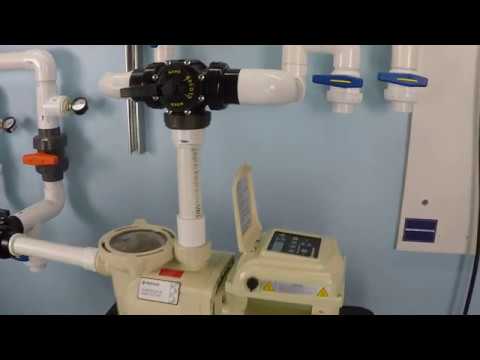
Maximum flow rates in PVC pipe - Quite often it will be referenced that PVC pipes have a maximum flow rating of 37 GPM for 1.5" pipes and 62 GPM for 2" pipes however this is not an accurate statement. These numbers represent the maximum value for efficient flow beyond which there is a steep efficiency loss due to friction and turbulence of water travelling through the pipes. If you were to assume that your pool system can only move 37 GPM because you have 1.5" pipes then this would be a mistake that could end up costing you a new filter. The actual maximum value for flow is 94 GPM for 1.5" pipe and 200 GPM for 2" pipes. This assumes a massively powerful pump driving the system, and of course a significant amount of wasted energy due to system inefficiency.
Sand filter flow rates - The maximum designed flow rates for sand filters is less than any other type of pool filter. If you have a sand filter then you need to look up the maximum designed flow rate for your filter and choose a pump that will not exceed this value. This is a difficult calculation to make since almost all residential pools lack any method to monitor flow rates and so you are left guessing as to how much flow your new pump is sending through the filter. The easiest and most beneficial solution to this is to purchase a flow meter and have it installed on your plumbing system. This allows you to monitor the rate of water flow in your system at all times, which is critical when it comes time to dial in the RPM and schedule for your new pump. For more information you can read this article about the importance of flow meters as well as this article about variable speed pump filtration schedules.
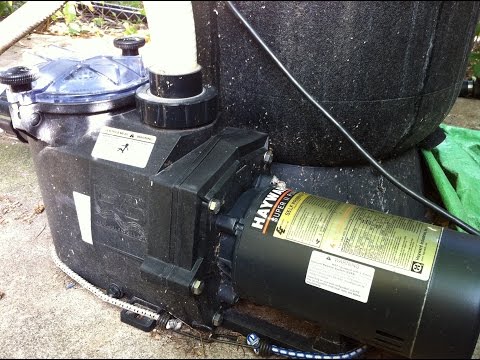
Even if you have a large sand filter what you will likely find is that all of the new variable speed pumps, aside from the dedicated 120 Volt models with tiny 0.85 HP motors, will exceed the flow rates for all but the largest sand filters. Some filters come with native 1.5" connection ports while larger filters come with native 2" connection ports. Any filter with 1.5" connection ports is going to have the most problem handling flow from a large variable speed pump. Consider some of these common sand filters and their associated maximum designed flow rate:
Pentair TA50D
Media Weight = 225 lbs
Maximum Flow Rate = 50 GPM
Hayward S220T
Media Weight = 250 lbs
Maximum Flow Rate = 52 GPM
Jandy SFTM22
Media Weight = 250 lbs
Maximum Flow Rate = 66 GPM
Pentair TA60D
Media Weight = 325 lbs
Maximum Flow Rate = 60 GPM
Hayward S244T
Media Weight = 300 lbs
Maximum Flow Rate = 62 GPM
Hayward S270T2
Media Weight = 350 lbs
Maximum Flow Rate = 74 GPM
Jandy SFTM25
Media Weight = 350 lbs
Maximum Flow Rate = 83 GPM
As a comparison value it is entirely possible to get in excess of 80 GPM for pool systems with a single 1.5" suction line and a single 1.5" return line. Even in a very limited potential system like this an average pool pump could and would easily exceed the maximum designed flow rate for your filter. Most pools have more than one suction and return line which means these pools would be able to move even more water! If you have a sand filter and you want to upgrade to a variable speed pump then it is worth considering to upgrade your filter to a cartridge filter which is capable of handling much greater volumes of flow.
Pairing A VS Pump With A Sand Filter
Most variable speed pumps have the ability to program the priming cycle as well as the maximum motor speed such that you could, at least in theory, limit the potential output of your pump. If you have a sand filter and are only now realizing that your flow rates might be a problem then this is the quick solution. If you limit the maximum RPM for your motor then you can control the flow rate it is sending through the filter. Again, without a flow meter you will not actually be able to determine your flow rates, and so it would be a very good idea to install one of these on your pool system. The concern with this workaround is now you have a pump paired with a filter that is too small for it, and future operator of the pool might not realize this and run the pump at too high of a speed and flow rate.
A novice plumber might think that shunting a bypass line to allow some of the flow from the pump to bypass the filter would solve this flow rate issue however this would not be recommended. If you allow particulate to bypass your filter then you are now sending dirty water into your heater, salt water system, and ultimately back into the pool. It would be a better idea to program the pump to run at less than maximum RPM, and then consider upgrading to a cartridge filter in the future to get the maximum flow rate potential from your pump.
In the event that you run your pump at too high of an RPM then the risk is that the internal plastic components from your filter will crack or break. In addition to this it is likely that the pump could be pushing sand back to your pool due to the excessive volume being forced through the filter. Fortunately the entire advantage of variable speed pump electrical savings comes from running your pump at or near minimum RPM for the majority of the day. You should really only need to run your pump at higher RPM speeds for a few hours per day maximum, and if you monitor your flow rates and change the maximum RPM setting for your pump then you should be able to get away with matching a variable speed pump with your sand filter.
Top content from www.SwimmingPoolSteve.com
Pool and spa chemistry crash course
New pool owner guide
The Swimming Pool Steve blog
Have a question - ask Steve

Swimming Pool Steve is an award winning, second generation swimming pool specialist from Ontario Canada and one of the most trusted voices in the swimming pool industry. With over 20,000,000 views on the Swimming Pool Steve YouTube Channel, winner of the Pleatco Pool & Spa Industry Leadership award and author of hundreds of pool and spa articles both online and in print. Steve is committed to helping pool and spa owners as well as pool and spa industry workers learn more about the technical side of building, renovating, repairing and maintaining all types of swimming pools and spas. Follow Swimming Pool Steve on Facebook, Twitter and YouTube.
Paid PDF Books From Swimming Pool Steve
 Steve's Pool Survival Guide
The Swimming Pool Steve Pool Survival Guide is intended to help pool owners understand their pool and pool equipment better, understand water chemistry, water testing and chemical corrections to the water, troubleshoot the most common pool problems and have confidence in interacting and caring for their pool in the fastest possible frame of time. Also covers pool safety, things to avoid and how to operate your pool more efficiently.
 Salt Water Recommendations
Are you considering upgrading to salt water in your pool? In this paid PDF Steve talks about which pools should avoid using salt water. Find out concerns about using salt in your pool but also the potential benefits of salt water. Finally hear which specific brand and model of salt chlorine generator Steve thinks is the best option currently available to pool owners and how to choose the right size salt system for your pool.
 New Pool Heater Buyer's Guide
In this guide Swimming Pool Steve will help you to better understand your heater options as well as which would be best suited for your pool. Learn about BTU output and sizing of both gas/propane heaters as well as electric heat pumps for residential swimming pools. You will also learn about which specific brands and models of currently available pool heaters Steve likes to recommend. If you are thinking of adding a new pool heater to your equipment pad this buyer's guide would be a useful resource to help you make a more informed buying decision.
 New Pool Installation Value Guide
This is a value shopping guide written by Swimming Pool Steve to help home owners hiring for a new pool installation to get the maximum value for their investment with tips about how to protect your interests during the vetting, hiring and pool installation process. Anyone serious about having a pool installed will find value in this guide. Pool installers will sell the pool package that is best for them - not for you! Become an informed value shopper with this PDF guide.
Endorsed Brands From Swimming Pool Steve
The following links and products are to affiliates of the Swimming Pool Steve website. These are brands, products and services hand selected by Steve for endorsement. Please note that these endorsements can include monetary compensation, affiliate links and referral fees to Swimming Pool Steve, however there is zero additional cost to you should you use one of these products or services. Income generated from these links helps to keep this pool and spa resource available for everyone. To have your product or service considered for listing here as an endorsed brand email SwimmingPoolSteve@gmail.com.
Amazon Disclosure Statement - As an Amazon Associate I earn from qualifying purchases.

www.PoolPartsToGo.com
New Black + Decker variable speed pumps are available online from www.PoolPartsToGo.com and they are a drop in replacement for many popular pump models including Pentair Superflo and Hayward Super Pumps. With an adjustable platform base, union connections included and a very strong warranty these pumps offer an impressive value to pool owners.
- Swimming Pool Steve