
Pentair SuperFlo Bench Test (240V / 1.5" pipe)
SwimmingPoolSteve.com is user-supported. In order to keep this resource about pools and spas available for free to all readers I earn commissions for purchases made through links on this page. For more information see the full disclaimer page. By using this website you are agreeing to the terms and conditions.
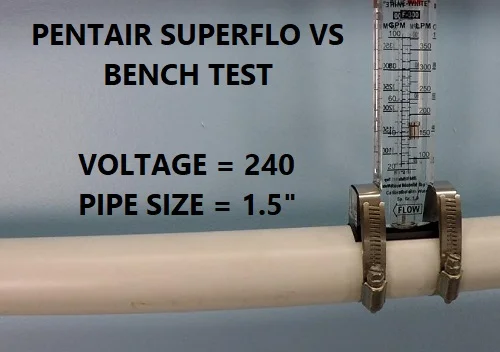
Every swimming pool system is unique. This means that the exact flow rates and electrical consumption that you experience for your variable speed pool pump can, and will, be different than the numbers that you see in this bench test of a Pentair SuperFlo VS pump. The amount of pipe that was used and distance of the pump from the pool will affect the flow rates and electrical consumption for your pump. Similarly the choice of plumbing fittings used, the size and type of pool filter, and any additional peripheral items like a heater will all change how much flow rate your pool filtration system actually generates for a given RPM or amount of power consumption.
While the numbers for your unique pool system will be different than this test, they will be similar enough for you to determine some basic information about how motor RPM affects both flow rate as well as electrical consumption with a variable speed pump. This is important as the vast majority of residential pool plumbing systems do not have a flow meter, or any other way to determine what the actual flow rate of the system is at any given time. Without a flow meter in place to monitor the rate of water flow you will need to guess as to how much water your system moves at different RPM values. This article and attached video will give you an idea of how much flow a Pentair SuperFlo variable speed pump will generate when operated on a single 1.5" suction and return line, utilizing a 240 Volt electrical supply. For more information about the importance of flow you can read this article about swimming pool flow meters.
Pentair SuperFlo Bench test 1.5" pipes / 240 Volt
Pentair SuperFlo bench test 1.5" pipes / 120 Volt
Pentair SuperFlo Bench test 2" pipes / 120 Volt
Pentair SuperFlo Bench test 2" pipes / 240 Volt
Pentair SuperFlo Full Flow 2" test (with filter) / 240 Volt

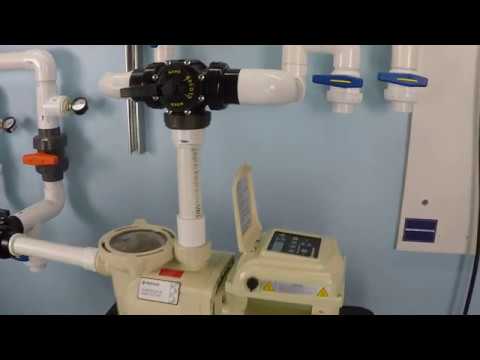
It is important to understand that while the high rate flow meter used here is calibrated to be accurate to within 2% of actual flow, there is also the fact that I am reading and interpreting this analogue measurement...something that surely introduces a tolerance of error into the reading. Instead of the exact flow rates, you should be instead looking at the general trends of flow rates versus electrical consumption such that you can get a better picture of how flow rates change and power is consumed.
Most specifically it is important to note that flow rates at the higher RPM values only change a small amount versus rather large increases in electrical consumption. This is due to the flow restriction of using 1.5" pipe, and perpetuated in this bench test as only a single suction and return pipe were used which further reduces the potential for flow. Above 35 GPM or so the flow in 1.5" pipe starts to experience a sharp increase in efficiency losses, friction and turbulence. This results in rather small changes in flow rate despite large increases in power consumption at these higher RPM values. Further extrapolating on this we can see that at lower RPM values the total electrical consumption is very small, and even minor increases in RPM and electrical consumption at these lower speeds can have a significant increase in flow rates.
Pentair SuperFlo Variable Speed Test
Voltage - 240 Volts
Suction Line - Single 1.5"
Return Line - Single 1.5"
1000 RPM
Flow Rate - 8 GPM
Current Draw - 1.04 Amps
Power Consumption - 138 Watts
1200 RPM
Flow Rate - 12 GPM
Current Draw - 1.15 Amps
Power Consumption - 179 Watts
1500 RPM
Flow Rate - 17 GPM
Current Draw - 1.42 Amps
Power Consumption - 265 Watts
1750 RPM
Flow Rate - 26 GPM
Current Draw - 1.81 Amps
Power Consumption - 370 Watts
2000 RPM
Flow Rate - 45 GPM
Current Draw - 2.36 Amps
Power Consumption - 507 Watts
2250 RPM
Flow Rate - 48 GPM
Current Draw - 3.10 Amps
Power Consumption - 688 Watts
2500 RPM
Flow Rate - 63 GPM
Current Draw - 4.03 Amps
Power Consumption - 903 Watts
2750 RPM
Flow Rate - 68 GPM
Current Draw - 5.12 Amps
Power Consumption - 1170 Watts
3000 RPM
Flow Rate - 70 GPM
Current Draw - 6.48 Amps
Power Consumption - 1480 Watts
3250 RPM
Flow Rate - 77 GPM
Current Draw - 8.00 Amps
Power Consumption - 1840 Watts
3450 RPM
Flow Rate - 82 GPM
Current Draw - 9.65 Amps
Power Consumption - 2220 Watts
Also worth noting on the initial bench test in the video above is that the maximum volume of water we were able to move through a single 1.5" suction and return pipe was 82 gallons per minute.
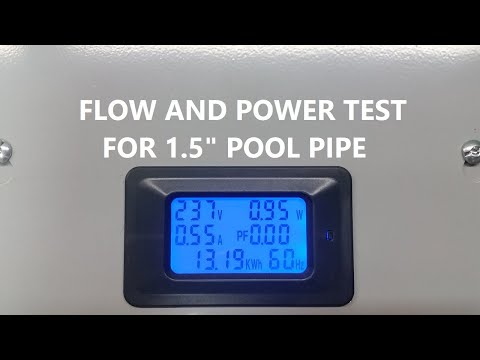
This video is an updated version of the bench test video above. To see an example of how systems may vary with the addition of different plumbing components, there has been a 150 sf cartridge filter installed to increase the resistance of flow and more closely mimic a real life swimming pool filtration system. The flow rate is also being monitored with both a digital flow meter as well as an analog flow meter. As mentioned above, each component of the plumbing system and any peripheral items such as salt water chlorinators or pool heaters increase the resistance to flow and can affect the flow rates and power consumption values.
Be sure to subscribe to the Swimming Pool Steve YouTube Channel to see if changing the size of the suction and return pipes, or changing the number of pipes used, has a measurable result on the electrical consumption and flow rates.
Top content from www.SwimmingPoolSteve.com
240 Volt Hayward Super Pump (1.5") bench test
240 Volt Pentair SuperFlo bench test
120 Volt Pentair SuperFlo bench test
Pentair SuperFlo 2" suction line bench test
Swimming pool flow meters
How much electricity does a pool pump use
How does a variable speed pump save you money
Variable speed pump schedules

Swimming Pool Steve is an award winning, second generation swimming pool specialist from Ontario Canada and one of the most trusted voices in the swimming pool industry. With over 20,000,000 views on the Swimming Pool Steve YouTube Channel, winner of the Pleatco Pool & Spa Industry Leadership award and author of hundreds of pool and spa articles both online and in print. Steve is committed to helping pool and spa owners as well as pool and spa industry workers learn more about the technical side of building, renovating, repairing and maintaining all types of swimming pools and spas. Follow Swimming Pool Steve on Facebook, Twitter and YouTube.
Paid PDF Books From Swimming Pool Steve
 Steve's Pool Survival Guide
The Swimming Pool Steve Pool Survival Guide is intended to help pool owners understand their pool and pool equipment better, understand water chemistry, water testing and chemical corrections to the water, troubleshoot the most common pool problems and have confidence in interacting and caring for their pool in the fastest possible frame of time. Also covers pool safety, things to avoid and how to operate your pool more efficiently.
 Salt Water Recommendations
Are you considering upgrading to salt water in your pool? In this paid PDF Steve talks about which pools should avoid using salt water. Find out concerns about using salt in your pool but also the potential benefits of salt water. Finally hear which specific brand and model of salt chlorine generator Steve thinks is the best option currently available to pool owners and how to choose the right size salt system for your pool.
 New Pool Heater Buyer's Guide
In this guide Swimming Pool Steve will help you to better understand your heater options as well as which would be best suited for your pool. Learn about BTU output and sizing of both gas/propane heaters as well as electric heat pumps for residential swimming pools. You will also learn about which specific brands and models of currently available pool heaters Steve likes to recommend. If you are thinking of adding a new pool heater to your equipment pad this buyer's guide would be a useful resource to help you make a more informed buying decision.
 New Pool Installation Value Guide
This is a value shopping guide written by Swimming Pool Steve to help home owners hiring for a new pool installation to get the maximum value for their investment with tips about how to protect your interests during the vetting, hiring and pool installation process. Anyone serious about having a pool installed will find value in this guide. Pool installers will sell the pool package that is best for them - not for you! Become an informed value shopper with this PDF guide.
Endorsed Brands From Swimming Pool Steve
The following links and products are to affiliates of the Swimming Pool Steve website. These are brands, products and services hand selected by Steve for endorsement. Please note that these endorsements can include monetary compensation, affiliate links and referral fees to Swimming Pool Steve, however there is zero additional cost to you should you use one of these products or services. Income generated from these links helps to keep this pool and spa resource available for everyone. To have your product or service considered for listing here as an endorsed brand email SwimmingPoolSteve@gmail.com.
Amazon Disclosure Statement - As an Amazon Associate I earn from qualifying purchases.

www.PoolPartsToGo.com
New Black + Decker variable speed pumps are available online from www.PoolPartsToGo.com and they are a drop in replacement for many popular pump models including Pentair Superflo and Hayward Super Pumps. With an adjustable platform base, union connections included and a very strong warranty these pumps offer an impressive value to pool owners.
- Swimming Pool Steve