
What Is The Best Pool Heater?
SwimmingPoolSteve.com is user-supported. In order to keep this resource about pools and spas available for free to all readers I earn commissions for purchases made through links on this page. For more information see the full disclaimer page. By using this website you are agreeing to the terms and conditions.
 If you are asking "what is the best pool heater?" then you have found a great resource to help you answer this question. Since a pool heater is usually the most expensive piece of equipment on the pad, and also the first piece to fail early if your installation or water chemistry is not up to par, a lot of pool owners are left trying to find the best deal for their money. The first thing to address is the quality of the installation and the quality of your water chemistry and maintenance which is covered in this article: The Pool Heater Checklist
When it comes to pool heaters I would certainly say that I have more experience than the average person or pool technician. At one point during my career I worked for a pool equipment manufacturer during which I was involved with technical and warranty support nationwide. As a pool technician you may see a dozen or two failed heaters in a busy season. In warranty support for the entire Country you will see that in a busy weekend. By observing failed heaters on a much larger scale it is easier to see the scope of reasons why they fail. While viewing the industry from the top down can help to get a better perspective, the reality is that nobody knows pool heaters as well as someone who installs them every day. I only worked for one manufacturer so this makes me biased towards the product that I know best. This is actually true for almost all service technicians...everyone seems to like the product or brand that they know the best and the rest of them are "garbage".
On LinkedIn I am connected to over 5000 people, most of which are active workers and business owners in the pool and spa industry. Over the period of a few weeks I engaged my followers to discuss this question about what is the best pool heater, specifically asking those who are active gas technicians, heater experts and large volume distributors of pool heaters for their input. While I can not include the full scope of replies that I received from everyone, I have compiled some of the information here so that you, a pool owner, can decide for yourself what the best pool heater for your needs will be.

Top 3 Best Pool Heaters
Like eating your dessert first, here is the direct answer you are looking for as to which the best pool heaters are. When I contacted companies to ask them which was the best pool heater I also asked them a series of follow up questions relating to why they like a particular brand or model. This included questions about technical shortcomings as well as specific features that make one brand favorable over another. In long form you can read the rest of this article below which goes more in depth about pool heaters and I do encourage you to read it all if you want to be as informed as possible. That being said if you need a pool heater, like yesterday, and you just want to know which ones are a safe bet then you can follow this list of the top 3 best pool heaters recommended by industry experts:

Model: RayPak PR Series (Cupro Nickel)
BTU rating: 266,000
Buy from Amazon: PR266AENC or PR266AEPC
Buy from Amazon.ca: PR266AENC
BTU rating: 399,000
Buy from Amazon: PR406AENX
The most popular heater based on the responses I received was the Raypak digital heater with Cupro Nickel exchanger
 . This upgrade to the cupro nickel from the base model Raypak digital heater with a copper exchanger
 is important since this will provide enhanced longevity and protection from salt water and galvanic corrosion. While this heater did receive the most votes for "best pool heater" from those who participated, it was far from a clear-cut victory. I was expecting to see one brand favored heavily however this was not what ended up happening at all. Only a few percentage points separate #1 from #3 on this list. The most common reason this heater was referenced as being the best is fast response from the manufacturer accepting responsibility for defective components, along with warranty support and service.
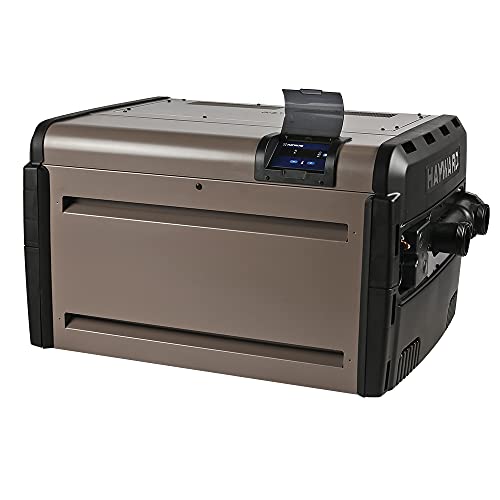
Model: Hayward Universal Forced Draft
BTU rating: 250,000
Buy from Amazon: W3H250FDN or W3H250FDP
Buy from Amazon.ca: W3H250FDN or W3H250FDP
BTU rating: 400,000
Buy from Amazon: W3H400FDN or W3H400FDP
Buy from Amazon.ca: W3H400FDN or W3H400FDP
The only reason that this Hayward universal heater
 was not number one on this list is because Hayward was also the most disliked heater in this survey. How can a heater be both the best and the worst simultaneously? This is because most pool technicians and heater experts are very brand specific. Those who like a brand tend to love it, and those who don't use a brand will tend to dislike it. The most common reason that this heater was selected as being the best was ease of installation. This heater is called "universal" because the gas, water and electrical connections can be run on either side of the heater and installation technicians seem to appreciate this versatility. Interestingly enough the next most common reason why service technicians like this heater is also the same reason why most people do not like it. Good warranty support was cited by the majority of companies that endorsed this model, and the number one reason why this heater was disliked was lack of warranty support. This mixed message is essentially why pool owners have so much trouble finding which is the best pool heater since the answer is largely subjective. This is no different than asking who makes the best pickup truck...you can count on that you will encounter differing opinions.

Model: Pentair MasterTemp
BTU rating: 250,000
Buy from Amazon: MasterTemp 250k
Buy from Amazon.ca: MasterTemp 250k
BTU rating: 400,000
Buy from Amazon: MasterTemp 400k
Buy from Amazon.ca: MasterTemp 400k
The Pentair MasterTemp made the number three spot on this list of best pool heaters. Much like the Hayward Universal, the Pentair MasterTemp also received a fair amount of criticism from industry experts however Pentair MasterTemp heaters advertise as being the most efficient heater in their class and they have the ability to hold their efficiency level as the heater ages. Efficiency loss over time is something that most pool heaters will experience which is why noting the efficiency of a heater is only part of the equation. Heater burn efficiency is also the main reason why you should have regular cleaning and service of your heater every year.
If anything was made clear from this survey of pool heater experts it is that there is no unanimous opinion as to which heater is the best. The margin that separates the best heater from the worst heater is actually very small with almost every brand receiving at least one vote for being both the worst, and the best, pool heater. As a pool owner the way to interpret these results is simply to understand that there is no clearly defined "best pool heater" but only ones that have certain reputations or certain qualities. The most important thing you can do as a pool owner is to select a heater that has the correct heat exchanger material for your application.
Copper, Cupro Nickel, Stainless Steel & ASME Heat Exchangers
While copper heat exchangers were the industry standard for decades, the current standard is to upgrade to cupro nickel which is more resistant to damage from poor water chemistry as well as damage from galvanic corrosion. Many entry level model pool heaters (usually the cheapest ones) will have a copper heat exchanger. You should not use copper in conjunction with salt water if you have, or plan to have a salt water chlorinator for your pool. Additionally you must also be more diligent about maintaining proper water chemistry with a copper exchanger. Cupro nickel exchangers are simply a better option and more resistant to early failure than copper. At the very top end of the spectrum is ASME rated pool heaters. ASME is the American Society of Mechanical Engineers and ASME rated heaters represent commercial quality construction which is even more heavy duty than any of the residential HD or cupro nickel models. If you are looking for the highest quality, most long lasting pool heater that money can buy then you should consider upgrading to a commercial quality ASME heater. Most heater manufacturers offer a commercial line of products that are typically not sold in regular retail store locations. While sourcing an ASME heater will be more difficult, and certainly more expensive than a residential quality heater, you can be certain that you have the highest quality pool heater possible with ASME.
Reasonable Expectations For A New Pool Heater
As part of the survey about which is the best pool heater I also asked each company to specify how long they feel a new pool heater should last for, and how long a new heater will run before needing a repair of some kind. I also asked each company to specify what causes heater failures, as well as what can pool owners do to prevent early failure. This really is the golden insight from this survey.
The reality is, as we learned with the results of the survey, that deciding which heater is the best is purely subjective to the experience of the person you are asking. This results in a fairly even split between all brands as to which ones were the most popular. While this does not do much to help pool owners select the best heater, it did help to identify the key issues that experienced heater installers want pool owners to be aware of.
Water Chemistry
When asked what will cause a pool heater to fail early almost every company cited poor water chemistry as being one of, if not the biggest concern. Letting the chlorine get too high, or allowing the pH to be too high or too low will cause problems in the long term. The combination of low pH along with high chlorine is specifically one of the very worst situations for heaters and even a single episode like this can cause long term damage to the heater internals.
Zoned Heater Bypass
There are times that your pool water is not balanced well enough to safely be circulating in your heater. If you have a zoned bypass installed in your plumbing system then this will allow you to divert water past the heater. By having the ability to take your heater offline with the twist of a few valve handles this can go a long way to protecting your heater from occasional adverse water chemistry conditions.
Rodent Damage
Damage to your heater from mice or rats is a serious concern according to industry experts. This problem can be vastly reduced by taking a few preventative steps such as spraying the wires inside the heater with WD40 which many technicians agree rodents do not like. Closing up any access to the inside of the heater with steel wool is a good idea, as it closing up the air intake for the winter. Most importantly however you need to make sure that you turn off the power to the heater completely as opposed to simply turning the heater off. If the heater circuit remains energized then this will create heat inside the machine which will draw in rodents. By turning off the breaker that supplies the heater you can avoid this problem.
Winterizing
If you don't properly winterize your heater then you can expect to have problems. All water must be drained and blown from the heater as any standing water will potentially freeze and damage the heater. Removing pressure switches and allowing them to drain is very important also as pressure switches break easily and are unreasonably expensive to replace. Even if freezing is not a concern where you live you would still want to evacuate all of the water from the heater if it will be not in use for an extended period of time. You should not fully tarp or wrap your pool heater as this will trap moisture inside the heater and promote corrosion. You want to, at most, cover the top of the heater such as with a piece of wood, but be sure that your heater has the ability to breathe to prevent damage. For more information you can read this article on pool heater winterizing.
Calibrating Flow Rates
Heaters have an optimal flow rate at which they should operate. The further from this value that you deviate, the greater the efficiency loss of the heater. If you are concerned with efficiency and want to choose an energy efficient pool heater, then you need to realize that this means more than simply selecting the right model off the shelf. A pool system should have a flow meter
 installed to monitor the flow rates of the system. Through zone valves, or a variable speed pump, you can (and should) calibrate your system to the ideal flow rate that your heater needs. There is no point in shopping for an energy efficient pool heater and not calibrating the system flow since you will never realize the full potential of your purchase.
How Long Should A New Pool Heater Last
One additional question that was asked to each of the pool heater experts involved with this survey was how long do you expect a new heater to last before it should need some kind of repairs. The answers, as with the rest of the survey, varied greatly. When averaged out, the expert opinions say that a new heater should last around 5 to 7 years before a repair should be expected. The total expected service life for a new heater was surprisingly low at 8 to 12 years being average. This is much lower than previous generations of pool heaters that could be operated for up to and exceeding 20 years. Such is the nature of our throw away society. The focus of products these days is to sell for the lowest possible price with the highest profit margin ratio. The end result is that quality is relegated to a secondary concern at best. According to the experts who answered this survey a pool owner should expect to need to buy a new pool heater every 10 years or so.
It is clear that if you want your heater to last as long as 10 years, and hopefully longer, you will need to maintain your water chemistry properly at all times. The main reason why a pool heater will fail early, other than poor installation, is improper water chemistry and most specifically chlorine and pH levels. If you would like more information about how to make sure your heater will last as long as possible you can read the pool heater checklist which talks in greater depth about this subject or you can also take the 10 minute pool chemistry crash course which covers the basics of pool and spa water chemistry and maintenance in a simplified and easy to understand format.
What Is The Best Way To Heat A Pool
Any time that you are looking to heat your swimming pool there should be a conversation about what is the best way to heat your pool. This is a question that many pool owners have since swimming in cold water...well...sucks. Unless you are ten years old in which case you appear to not care at all. Pool heating is an expensive luxury no matter how to choose to heat your pool. Even solar heat costs money to have the system installed so it is not completely free either. If you are looking for the best way to heat your pool there are some things that you absolutely must know first.
Geographic Locations
The area that you live will have everything to do with deciding which is the best form of heat for your pool. Some warmer climate areas can operate exclusively with a solar heater system or an electric heat pump. Colder climate areas can also benefit from these types of pool heaters however the physical BTU output of solar heaters and electric heat pumps are far less than that of gas fired heaters.
In Season Water Temperature
There are two different ways that you can use a pool heater. The first is to improve the in season water temperature in your pool. This would apply to all hot weather seasons where you simply wish to add a few degrees to the pool for the sake of the comfort of your swimmers. Gas, solar and heat pumps all have the ability to improve the in season water temperature in your pool regardless of where you are located geographically.
Extending The Swimming Season
If you want a heater that will be able to extend the swimming season for your pool into months where the climate in your area would typically make it too cold to swim, then you almost certainly will need a gas heater. Solar heaters and heat pumps are the most efficient methods to improve the in season water temperature however they simply lack the BTU output needed to heat a swimming pool during colder times of year. Understanding the limitations of heat technology will save you a ton of frustration since many pool owners buy a heat pump and expect it to heat the pool year round. Unless you live somewhere where it is basically hot all year then this would be a poor plan. Gas heating has the ability to heat your pool water regardless of the ambient air temperature. The only catch is that a large pool heater would consume as much gas as ten large family BBQ units all running on full blast. When you consider how much fuel that would take you can start to appreciate how gas heating can add up when you are forcing your pool to be warm when it is cold outside. You can easily burn a few thousand dollars of fuel per month if you run your pool heater constantly and like to swim in 90 degree water.
Heat Conservation
Since gas heating is the only effective method to extend your pool season then a gas heater is what you need if you want to swim in cooler months of the year. Also, since gas heating is incredibly expensive you must learn how to conserve the heat that you do generate. The best way to do this, by far, is to cover your pool with a solar blanket
 If you are still not completely sure as to which is the best heater for your pool then you can read this article about pool solar heaters which helps to explain expectations of function and how to install a solar heater for your pool. If you would like to learn more about the limitations and also the benefits of an electric heat pump for your pool then you can read this article about how to size & install a pool heat pump. If you already know that it gets cold where you live, and you are willing to pay for heat when you need it, then a gas heater is the only option for you unless you want to try to build your own pool heater (hint - don't do that).
If you are made of money then you could install both a heat pump as well as a gas heater (or a solar heater and a gas heater) to get the best of both worlds in terms of in season efficiency combined with the ability to prolong your swimming season. If you are not made of money, which most people are not, then the best bet would be to buy an appropriately sized gas heater as well as a solar blanket, and use them both as intended. If you would like to know, other than the top 3 listed on this page, which are the best pool heaters on the market, then you can also read these pool heater reviews which includes most of the biggest brands and models of pool heaters available right now.
Thank you for everyone who contributed to this article. While I received replies from many companies, there were a few that provided thoughtful and detailed replies that I was able to incorporate into this article specifically. Gabe Jenson from Pool Scouts, Derrick Gyenizs from DG Pool & Patio, Wesley Lance from A & L Pool Service and Rafael Imbert with Regency Pool & Spa. A special thank you to these pool heater experts for taking the time to help educate pool owners so that they can make an informed decision about their purchase, and enjoy years of trouble free operation.
Top content from www.SwimmingPoolSteve.com
Pool and spa chemistry crash course
New pool owner guide
The Swimming Pool Steve blog
Have a question - ask Steve

Swimming Pool Steve is an award winning, second generation swimming pool specialist from Ontario Canada and one of the most trusted voices in the swimming pool industry. With over 20,000,000 views on the Swimming Pool Steve YouTube Channel, winner of the Pleatco Pool & Spa Industry Leadership award and author of hundreds of pool and spa articles both online and in print. Steve is committed to helping pool and spa owners as well as pool and spa industry workers learn more about the technical side of building, renovating, repairing and maintaining all types of swimming pools and spas. Follow Swimming Pool Steve on Facebook, Twitter and YouTube.
Paid PDF Books From Swimming Pool Steve
 Steve's Pool Survival Guide
The Swimming Pool Steve Pool Survival Guide is intended to help pool owners understand their pool and pool equipment better, understand water chemistry, water testing and chemical corrections to the water, troubleshoot the most common pool problems and have confidence in interacting and caring for their pool in the fastest possible frame of time. Also covers pool safety, things to avoid and how to operate your pool more efficiently.
 Salt Water Recommendations
Are you considering upgrading to salt water in your pool? In this paid PDF Steve talks about which pools should avoid using salt water. Find out concerns about using salt in your pool but also the potential benefits of salt water. Finally hear which specific brand and model of salt chlorine generator Steve thinks is the best option currently available to pool owners and how to choose the right size salt system for your pool.
 New Pool Heater Buyer's Guide
In this guide Swimming Pool Steve will help you to better understand your heater options as well as which would be best suited for your pool. Learn about BTU output and sizing of both gas/propane heaters as well as electric heat pumps for residential swimming pools. You will also learn about which specific brands and models of currently available pool heaters Steve likes to recommend. If you are thinking of adding a new pool heater to your equipment pad this buyer's guide would be a useful resource to help you make a more informed buying decision.
 New Pool Installation Value Guide
This is a value shopping guide written by Swimming Pool Steve to help home owners hiring for a new pool installation to get the maximum value for their investment with tips about how to protect your interests during the vetting, hiring and pool installation process. Anyone serious about having a pool installed will find value in this guide. Pool installers will sell the pool package that is best for them - not for you! Become an informed value shopper with this PDF guide.
Endorsed Brands From Swimming Pool Steve
The following links and products are to affiliates of the Swimming Pool Steve website. These are brands, products and services hand selected by Steve for endorsement. Please note that these endorsements can include monetary compensation, affiliate links and referral fees to Swimming Pool Steve, however there is zero additional cost to you should you use one of these products or services. Income generated from these links helps to keep this pool and spa resource available for everyone. To have your product or service considered for listing here as an endorsed brand email SwimmingPoolSteve@gmail.com.
Amazon Disclosure Statement - As an Amazon Associate I earn from qualifying purchases.

www.PoolPartsToGo.com
New Black + Decker variable speed pumps are available online from www.PoolPartsToGo.com and they are a drop in replacement for many popular pump models including Pentair Superflo and Hayward Super Pumps. With an adjustable platform base, union connections included and a very strong warranty these pumps offer an impressive value to pool owners.
- Swimming Pool Steve