
How To Fix A Crack In A Concrete Pool
SwimmingPoolSteve.com is user-supported. In order to keep this resource about pools and spas available for free to all readers I earn commissions for purchases made through links on this page. For more information see the full disclaimer page. By using this website you are agreeing to the terms and conditions.
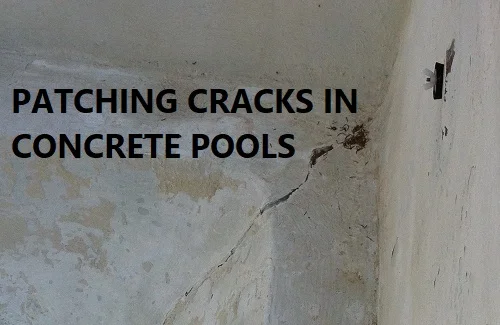
Fixing cracks in a concrete pool structure is definitely not something that you want to have to do as a pool owner. It takes something fairly serious to go wrong to result in a crack to develop in a concrete pool. Perhaps even a series of things going wrong, and the reality is that pretty much all of those things are impossible to fix after the fact. Once a concrete pool has cracked there is no repair process that will fix it indefinitely. The reason why you can not fix it is because something has gone wrong to allow this to happen, and if this problem continues to exist then any repair is sure to fail as well. The original shell cracked and any repair you make is sure to be less-strong than the original shell.
So in one sense there is nothing you can do to repair a concrete shell. It broke once and if it wants to it is going to break again. However there are a lot of concrete pools out there that experienced a crack decades ago and while there is not a proper repair for this the truth is that the crack has not migrated in years. Decades perhaps even. In these situations I still warn concrete pool owners that something caused the pool to crack originally and no repair you make now of installing a new pool shell will really resolve this. But if they have been using the pool for years like this, and simply do not have the budget to put a new pool shell in, then advice explaining that this crack can not be fixed will fall on deaf ears. Usually the pool owner explains that they have no choice but to live with the crack, and so they want to do whatever they can to improve the situation.

Filling concrete cracks with silicone - The reason why I am writing this article is because pool owners often attempt to inject silicone into concrete pool cracks. They know they can not fix the problem properly and so this is the suggestion they come to me with looking for guidance as to whether this will work. It will most certainly not work. In theory some kind of sealant to prevent water from escaping through the cracks would be a good idea but silicone is definitely not the right stuff for the job. It is way too light duty, does not bond to concrete well enough, will not withstand any hydrostatic pressure, does not bond when there is moisture...a total fail for this application. Look, injecting cracks in a concrete pool is a bandaid solution at best, but if you are going to do something to try to improve this problem you need to choose something with a little more staying power than silicone. Even type two silicone suitable for damp applications is still not durable enough for this application.
Filling cracks with concrete urethane - A concrete urethane product is like silicone on steroids. It sucks to works with, does not clean up with water, sticks to absolutely everything...basically it is perfect for injecting into cracks in concrete pools. A new structure is obviously a better option than patching up a failed structure, but that is serious money that most people simply do not have to spend. When used properly, and as part of a multi-stage approach to filling cracks in a concrete pool, a concrete urethane can give you a real shot at success at resolving the leaks from the cracks in the long term. There are a few products that you could use for an application like this.
So what would be a good product to use for something like this? A concrete urethane called Deck-O-Seal would be a great option to use. It is a very demanding environment and there are not many sealants that are perfect for this job. Another one that I have used for applications like this is NP1 Polyurethane
How To Fix Cracks In A Concrete Pool
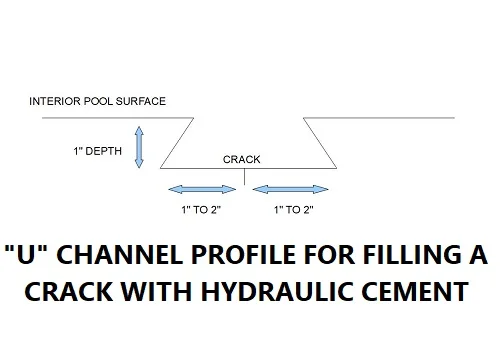
Understanding that filling a crack in your concrete pool with urethane is not really a long term solution you can count on, it definitely beats the heck out of just using silicone. So let's explore this further and identify what else you can do to improve your chances of slowing or stopping water from escaping through this crack. Typically speaking the process I use is to first cut a channel into the area directly on either side of the crack itself. Ideally this should be about one inch of concrete depth that I am aiming to remove. When doing this the cut is very specifically angled to create a "U" shaped notch which will aid in the next steps, which include adding a hydraulic concrete to this channel we are cutting out.
With a channel cut on either side of the crack, I will often run the grinder along the crack itself, creating a groove which I will inject and fill with urethane shortly. Before doing this I usually take a strong garden hose or pressure washer and wash out the crack and channel that I have cut. Concrete dust will prevent both your urethane as well as the hydraulic cement from bonding properly. Spraying it with water works great to get rid of the dust, but you also want the area to be expressly dry before attempting to use the concrete urethane. Even leaving the crack overnight can result in dampness being held along the crack, and so compressed air is the best bet to blow all of the dust remnants out and dry out the crack. Even a tiger torch

Injecting the urethane into the cracks - Be sure that you have done all of the proper prep work as described above to the crack before proceeding with the urethane injection. We are already not taking the right approach here so it is the least you can do is make sure the crack is totally dry and free of dust before proceeding. Be sure the urethane tube is warm, even a little on the hot side as this will make it much thinner and able to be pressed into the crack with some measure of success. Concrete urethane is messy so be sure to have plenty of rags on hand. Warm urethane should flow fairly readily into the cracks, but you will never get as much into the crack as you would hope for. Leave a bead of the urethane covering the crack itself to be sure that you have actually sealed it. Follow the cure time instructions from your product, which will likely be a day or more for the urethane to fully cure.
Applying hydraulic cement to the U channel - The urethane along the exposed crack should in theory be enough to stop water from escaping the pool and also absorb slight amounts of movement in the concrete moving forward, however if there ever is a time to take all the steps you possibly can, this is the time. The U channel we cut into the concrete serves a very specific purpose. Almost all concrete products shrink when they cure. Hydraulic water-stop concrete does not shrink and actually expands slightly when curing. This combined with a massive dose of bonding agents and polymers help hydraulic cement to stop water. By using the expanding nature of concrete to our advantage, the shape of the U channel should trap concrete from your patch which then has no place to really expand to side to side. The result is that the patch of hydraulic cement really wedges itself in place, which serves to make a more water resistant contact point then you would normally see with a cold joint in concrete (new concrete attaching to old concrete).

Make sure you use the right hydraulic cement product for this application. There are a few brands that make suitable products for this. One example is this hydraulic cement
 . If the product that you are looking at indicates a very fast set up time, as well as the ability to stop water leaks, this should do for your application.
It might not be perfect, but if you are trying to fix cracks in a concrete pool then exposing the crack, cutting a U channel, cleaning and drying it, injecting warm urethane, and filling the channel with hydraulic water stop cement is as good of a bandaid repair as you could possibly hope for. Something like this actually stands a reasonable chance of improving your situation, something that injecting with silicone was surely not going to do for you. With this reasonably strong patch now in place, let your concrete repairs cure for 28 days before applying a new interior surface layer to your pool, plaster or paint, to cover the unsightly crack repairs.
If you have cracks in a concrete pool I would strongly encourage you to reach out to an industry professional for guidance as there could be more serious issues going on with your pool than you realize. If you are not going to take that good advice and are going to just squeeze some silicone in the cracks and hope for the best then you should at least use my method with the concrete urethane, U channel and hydraulic cement.
How to bond new concrete to old concrete
Common problems with concrete pools
How to fix pool tiles that are falling off
How to work with concrete
Maintenance and repairs for concrete pools
Top content from www.SwimmingPoolSteve.com
Pool and spa chemistry crash course
New pool owner guide
The Swimming Pool Steve blog
Have a question - ask Steve

Swimming Pool Steve is an award winning, second generation swimming pool specialist from Ontario Canada and one of the most trusted voices in the swimming pool industry. With over 20,000,000 views on the Swimming Pool Steve YouTube Channel, winner of the Pleatco Pool & Spa Industry Leadership award and author of hundreds of pool and spa articles both online and in print. Steve is committed to helping pool and spa owners as well as pool and spa industry workers learn more about the technical side of building, renovating, repairing and maintaining all types of swimming pools and spas. Follow Swimming Pool Steve on Facebook, Twitter and YouTube.
Paid PDF Books From Swimming Pool Steve
 Steve's Pool Survival Guide
The Swimming Pool Steve Pool Survival Guide is intended to help pool owners understand their pool and pool equipment better, understand water chemistry, water testing and chemical corrections to the water, troubleshoot the most common pool problems and have confidence in interacting and caring for their pool in the fastest possible frame of time. Also covers pool safety, things to avoid and how to operate your pool more efficiently.
 Salt Water Recommendations
Are you considering upgrading to salt water in your pool? In this paid PDF Steve talks about which pools should avoid using salt water. Find out concerns about using salt in your pool but also the potential benefits of salt water. Finally hear which specific brand and model of salt chlorine generator Steve thinks is the best option currently available to pool owners and how to choose the right size salt system for your pool.
 New Pool Heater Buyer's Guide
In this guide Swimming Pool Steve will help you to better understand your heater options as well as which would be best suited for your pool. Learn about BTU output and sizing of both gas/propane heaters as well as electric heat pumps for residential swimming pools. You will also learn about which specific brands and models of currently available pool heaters Steve likes to recommend. If you are thinking of adding a new pool heater to your equipment pad this buyer's guide would be a useful resource to help you make a more informed buying decision.
 New Pool Installation Value Guide
This is a value shopping guide written by Swimming Pool Steve to help home owners hiring for a new pool installation to get the maximum value for their investment with tips about how to protect your interests during the vetting, hiring and pool installation process. Anyone serious about having a pool installed will find value in this guide. Pool installers will sell the pool package that is best for them - not for you! Become an informed value shopper with this PDF guide.
Endorsed Brands From Swimming Pool Steve
The following links and products are to affiliates of the Swimming Pool Steve website. These are brands, products and services hand selected by Steve for endorsement. Please note that these endorsements can include monetary compensation, affiliate links and referral fees to Swimming Pool Steve, however there is zero additional cost to you should you use one of these products or services. Income generated from these links helps to keep this pool and spa resource available for everyone. To have your product or service considered for listing here as an endorsed brand email SwimmingPoolSteve@gmail.com.
Amazon Disclosure Statement - As an Amazon Associate I earn from qualifying purchases.

www.PoolPartsToGo.com
New Black + Decker variable speed pumps are available online from www.PoolPartsToGo.com and they are a drop in replacement for many popular pump models including Pentair Superflo and Hayward Super Pumps. With an adjustable platform base, union connections included and a very strong warranty these pumps offer an impressive value to pool owners.
- Swimming Pool Steve