
Swimming Pool Pump Problems
SwimmingPoolSteve.com is user-supported. In order to keep this resource about pools and spas available for free to all readers I earn commissions for purchases made through links on this page. For more information see the full disclaimer page. By using this website you are agreeing to the terms and conditions.
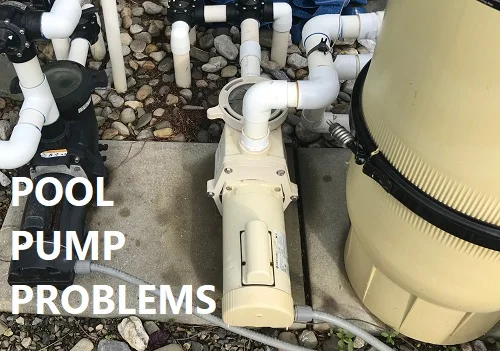
The content on this page relates to swimming pool pump problems that you can encounter when trying to start your pump. With this process of elimination testing you should be able to either get your pool pump running or at least find out what the problem is. You can also jump to these other sections:
Concrete Pool Videos
Plaster Pool Videos
Vinyl Liner Pool Videos
Measuring Pool Liners
Pool Pumps Introduction
Pool Pump Troubleshooting
Variable Speed Pool Pumps
Pool Filter Videos
Salt Water Pool Videos
Swimming Pool Pump Troubleshooting
How To Prime A Pool Pump?
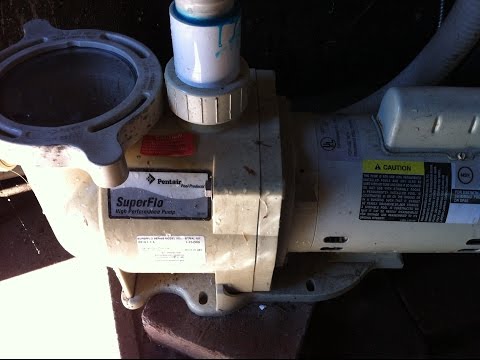
One of the most common interactions you will have with your pool pump is the need to prime it. Pool pumps require water to be added to the chamber to facilitate getting the initial vacuum to draw water from the pool and (up) to the pump. Pumps located below the level of the pool surface are different in that they are hydraulically flooded systems, and therefor essentially self prime as soon as you open the valves to allow water into the pump. The further the pump is located above the water level of the pool the harder the pull for initial prime will be for the pump.
The best process for priming your pool pump is to add water quickly, like from a bucket, and fill the pump strainer basket area. The water will fill the chamber until it reaches the pipe port out of the front of your pump at which time the water will start to drain into the suction pipe. Ensure that your lid gasket is present and lubricated well with a silicone based O-ring lubricant and place the lid on tightly. Turn on your pump and let it run for at least three to five minutes in attempt to get prime. It can take quite a few minutes for older or leaking systems to achieve prime and start running normally. Manufacturers often state that up to 10 minutes of running the pump without water as it tries to prime is acceptable however if the pump does not prime it should be turned off, filled with water and tried again. I prefer to wait only three to five minutes before turning off and refilling with water again as this promotes less wear on internal components inside the pump. Add water at least five different times to the pump and let it try to prime before declaring there is a problem. Some pumps just take a while to catch prime, whether from design, age or deficiency.

Pool Pump Will Not Prime
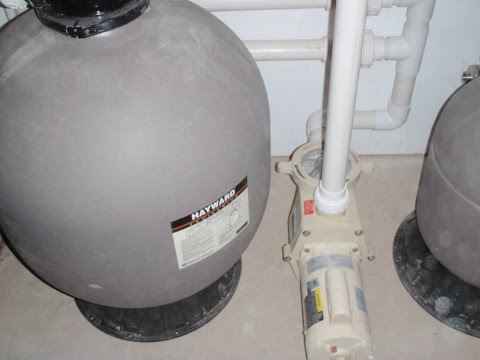
Once you have tried filling your pump with water five or more times and it still will not pick up prime then it is time to switch to the next troubleshooting steps. The first thing to check is to make sure the O-ring for the lid is still in place, has not crushed or flattened, and is well lubricated with a silicone based lubricant. If the O-ring leaves black stains on your hand where you handle it this indicates it is chemically failing and needs to be replaced. Never use vasoline for an O-ring lubricant as the petroleum base degrades the O-ring material over time. The next thing you should check is the threaded connections to your pump or any part of the suction side of your plumbing system that has threaded connections. All valves and unions should be verified to still have their O-rings also.
At this point if your pump is not able to prime and run you should take a step back from your system and look at the overall picture. Be sure to check each and every valve in the plumbing system to verify that you have them open. A closed valve dead-heading the pump will definitely prevent your system from priming. After these steps if the pump is still not priming I would start to consider the potential that there may be an obstruction in the pipes. Normally this would need a precursor event such as vacuuming a heavy debris load from the pool to cause this and without some symptom of an obstruction I am less inclined to think this will be the source of the problem. If a blockage is suspected then a turbine style air blower or compressed gas system can be used to blow from the pump and back to the pool where (presumably) the blockage originated. You should also verify that your filter is not on the wrong setting or hooked up backwards which could be preventing the pump from priming.
New Pump Installation Will Not Prime
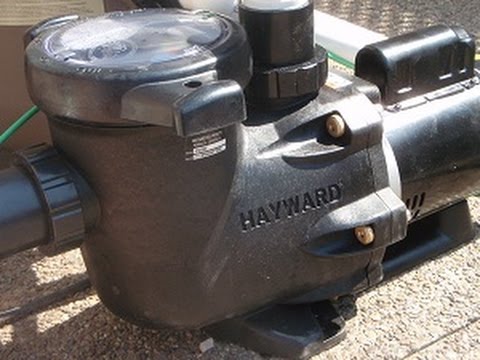
If you have just installed a new pump on your system however you are unable to get it to prime then this video highlights the troubleshooting steps that most pool technicians would look at. With a new pump installation it is not uncommon to need to prime it a few times to get it started for the very first time. This is not an indication that there is something wrong with the pump or the installation and could simply be that installing the new pump allowed a lot of air into the plumbing system which the pump needs to work out over a few priming cycles. Just be sure to fill the pump with water a few times and allow it to run for a few minutes each time.
If the pump does not sound quite right when it starts up, as though it sounds underpowered, this is a possibility. When pool pumps have dual voltage capability for low voltage and high voltage 115/230 connections the manufacturer will send the pump pre-wired for the higher voltage. This protects against damage should the pump installer apply the wrong voltage. You do not want to apply 230V of power to a pump wired for 115 as this could damage the pump internally. If you apply 115V to a pump wired for 230V this probably will not cause damage, but the pump would not run right and it would sound slow and underpowered. It is strongly recommended to have your pump wired and installed by a qualified electrician. Assuming the pump was wired correctly then I would recheck the pump port connections along with any threaded connections adjacent to the area you were working when you installed the new pump. Any threaded connections that have been bumped or moved need to be disassembled and rethreaded with a pipe sealant such as silicone or teflon tape.
Pump Keeps Turning Off
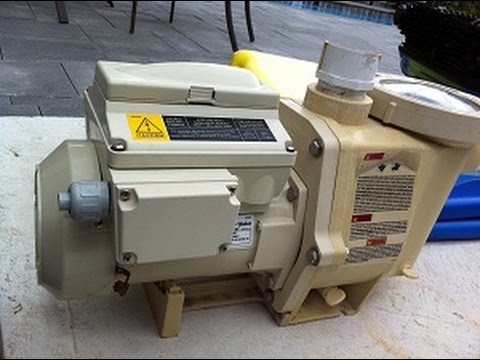
As a pool pump ages it will begin to draw more current than it originally did when it was new. Over time the windings of the motor will begin to short circuit together. This reduces the internal resistance of the motor circuit, and since resistance (in Ohms) and current (in Amps) are inversely proportional this means any reduction in resistance of the motor windings will result in an increase in current going through these windings. When more current is applied even greater heat is generated than before, and this heat will cause internal damage to the motor, and further increase the number of short circuit windings in the motor. This creates a downward sprial where heat causes the pump to draw more current, which causes the pump to crate more heat. Heat further damages the pump and forces it to draw more current again, which causes more heat and more damage. The cycle continues until the pump draws soo much current that the electrical breaker trips out, or the internal windings fail to the point of a short circuit.
A pump that is turning itself off is not something that you should attempt to continue to run. It is possible that a failing pump as described here can result in a fire. These fires can destroy the equipment pad, or even your entire home. When a pump runs for a while but you keep finding that it has turned itself off this is your indication that you need a new pool pump, or at the very least service to your existing pump. It used to be that pump rewinding services were economical however new pumps are near to the same cost as most rewinding services so many pool owners just elect to replace the pump when experiencing a heat related failure like this. It is worth noting that an electrician should be able to help with diagnosis of this problem by testing the amperage draw from the pump as compared to the name plate electrical draw specifications, as well as eliminating the potential that a tired (faulty) electrical breaker is causing your pump to turn off.
For more information you can read this article about Why do pool pumps overheat?
Concrete Pool Videos
Plaster Pool Videos
Vinyl Liner Pool Videos
Measuring Pool Liners
Pool Pumps Introduction
Pool Pump Troubleshooting
Variable Speed Pool Pumps
Pool Filter Videos
Salt Water Pool Videos
Top content from www.SwimmingPoolSteve.com
Pool and spa chemistry crash course
New pool owner guide
The Swimming Pool Steve blog
Have a question - ask Steve

Swimming Pool Steve is an award winning, second generation swimming pool specialist from Ontario Canada and one of the most trusted voices in the swimming pool industry. With over 20,000,000 views on the Swimming Pool Steve YouTube Channel, winner of the Pleatco Pool & Spa Industry Leadership award and author of hundreds of pool and spa articles both online and in print. Steve is committed to helping pool and spa owners as well as pool and spa industry workers learn more about the technical side of building, renovating, repairing and maintaining all types of swimming pools and spas. Follow Swimming Pool Steve on Facebook, Twitter and YouTube.
Paid PDF Books From Swimming Pool Steve
 Steve's Pool Survival Guide
The Swimming Pool Steve Pool Survival Guide is intended to help pool owners understand their pool and pool equipment better, understand water chemistry, water testing and chemical corrections to the water, troubleshoot the most common pool problems and have confidence in interacting and caring for their pool in the fastest possible frame of time. Also covers pool safety, things to avoid and how to operate your pool more efficiently.
 Salt Water Recommendations
Are you considering upgrading to salt water in your pool? In this paid PDF Steve talks about which pools should avoid using salt water. Find out concerns about using salt in your pool but also the potential benefits of salt water. Finally hear which specific brand and model of salt chlorine generator Steve thinks is the best option currently available to pool owners and how to choose the right size salt system for your pool.
 New Pool Heater Buyer's Guide
In this guide Swimming Pool Steve will help you to better understand your heater options as well as which would be best suited for your pool. Learn about BTU output and sizing of both gas/propane heaters as well as electric heat pumps for residential swimming pools. You will also learn about which specific brands and models of currently available pool heaters Steve likes to recommend. If you are thinking of adding a new pool heater to your equipment pad this buyer's guide would be a useful resource to help you make a more informed buying decision.
 New Pool Installation Value Guide
This is a value shopping guide written by Swimming Pool Steve to help home owners hiring for a new pool installation to get the maximum value for their investment with tips about how to protect your interests during the vetting, hiring and pool installation process. Anyone serious about having a pool installed will find value in this guide. Pool installers will sell the pool package that is best for them - not for you! Become an informed value shopper with this PDF guide.
Endorsed Brands From Swimming Pool Steve
The following links and products are to affiliates of the Swimming Pool Steve website. These are brands, products and services hand selected by Steve for endorsement. Please note that these endorsements can include monetary compensation, affiliate links and referral fees to Swimming Pool Steve, however there is zero additional cost to you should you use one of these products or services. Income generated from these links helps to keep this pool and spa resource available for everyone. To have your product or service considered for listing here as an endorsed brand email SwimmingPoolSteve@gmail.com.
Amazon Disclosure Statement - As an Amazon Associate I earn from qualifying purchases.

www.PoolPartsToGo.com
New Black + Decker variable speed pumps are available online from www.PoolPartsToGo.com and they are a drop in replacement for many popular pump models including Pentair Superflo and Hayward Super Pumps. With an adjustable platform base, union connections included and a very strong warranty these pumps offer an impressive value to pool owners.
- Swimming Pool Steve