
Concrete Pool Shell Failures - How To Avoid Cracks
SwimmingPoolSteve.com is user-supported. In order to keep this resource about pools and spas available for free to all readers I earn commissions for purchases made through links on this page. For more information see the full disclaimer page. By using this website you are agreeing to the terms and conditions.
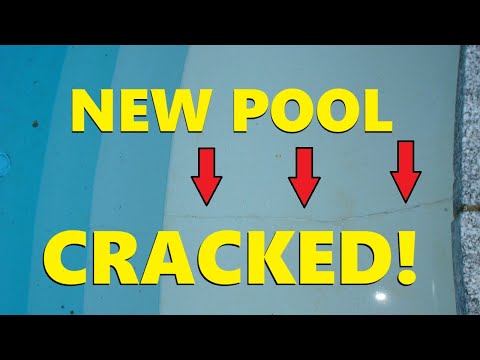
Cracks in a new concrete pool is just about the last thing you want to see when you are having a new pool installed. This video talks in depth about concrete swimming pools (both new and older, existing ones) and how concrete pools tend to break. Why do some concrete pools crack and others do not? The answer is most commonly that the two pools are built differently. How thick the concrete is, the compressive strength of the concrete used, the amount (and size) of the steel reinforcing used all will matter. Further to this there is also the ground preparation and material type as differences of deficiencies here could easily expose a concrete pool shell to extreme forces that cause it to crack.
When it comes to evaluating cracked concrete pool shells and looking at the viability of fixing them you have to be extremely careful to not throw good money after the bad. If the pool shell has been built with inferior materials or technical process then no amount of repair work is going to make up for this. You could spend tens of thousands of dollars fixing a cracked concrete pool only to have it immediately crack again upon filling, or fail within an unacceptably short period of time. Ground prep, concrete thickness and compressive strength as well as the reinforcing steel specifications are needed before you can even think about repairing a cracked concrete shell. Maybe you can flash 4" more of concrete over the walls / floors. Maybe you can build a smaller pool inside of your existing pool. Maybe even you could repair the crack and the pool will hold now that it has finished moving or sinking...but you really can not know if the pool is viable without doing coring and X-rays to determine strength, thickness and steel reinforcing within the concrete.
Soil Movement / Settlement – When the ground under the pool shifts, the concrete shell moves with it… until it doesn’t. Concrete can’t flex much, so any settling, voids, or unstable fill material under the pool often leads to structural cracks. This is especially common when builders backfill improperly or when pools are built on uncompacted or expansive soils.
Expansive Clay Soil – Clay expands massively when wet and shrinks when dry. If your pool is sitting in expansive clay and there aren’t proper soil engineering and drainage measures in place, the pressure cycles can literally push and pull the pool shell apart over time. Pools in these areas need special engineering—many older ones didn’t get it.
Hydrostatic Pressure – Groundwater pushes upward and sideways on the shell. If that pressure exceeds what the structure can resist—especially during draining—the pool can crack or even float. Hydrostatic relief valves can help, but if they fail or were never installed, groundwater becomes a silent destroyer.
Poor Steel Reinforcement (Rebar) Layout – Concrete needs steel to give it tensile strength. If the rebar spacing is too wide, too shallow, missing entirely, or installed incorrectly, the shell becomes weak and cracks much more easily. You’d be shocked how many “budget builds” cut corners on steel.
Thin or Weak Shotcrete/Gunite Application – If the shell wasn’t shot thick enough, or if rebound material was improperly used in the walls or floor, you’re basically swimming in a concrete eggshell. Poorly applied shotcrete can delaminate, develop structural cracks, or fail under normal soil and water pressure.
Freeze–Thaw Damage – In cold climates, water gets into small cracks or porous areas, freezes, expands, and forces the cracks wider. Over many cycles, this can cause major structural damage. Proper plaster maintenance and sealing helps keep this from happening.
Tree Roots – Large trees near pools are more than landscaping—they’re hydraulic jacks. Roots can apply massive lateral pressure, enough to crack decks, patios, and eventually the pool shell itself. Even if roots don’t crack the shell directly, they can shift soil around it, leading to cracking over time.
Plumbing Leaks Beneath the Pool – If an underground pipe leaks, the escaping water washes away soil and creates voids under or beside the shell. Once the shell loses uniform support, it eventually cracks under its own weight. This is one of the most common causes of unexplained cracks.
Improper Draining or Empty Pool Conditions – An empty concrete pool is far more vulnerable than a full one. Without the internal water weight, high groundwater or expansive soil can push or deform the shell, causing cracks. This is why draining a pool without professional evaluation is a dangerous move.
Age and Material Fatigue – Even well-built pools break down over decades. The concrete, rebar, and surrounding soils change over time. Tiny stress cracks can develop into larger structural cracks simply because materials age and the environment keeps applying force.
If you have questions about a cracked concrete pool shell you can always Ask Steve directly for help. Whether you just have a question or plan a full scale renovation or repair Steve can help you better understand your options.

Top content from www.SwimmingPoolSteve.com
Pool and spa chemistry crash course
New pool owner guide
The Swimming Pool Steve blog
Have a question - ask Steve

Swimming Pool Steve is an award winning, second generation swimming pool specialist from Ontario Canada and one of the most trusted voices in the swimming pool industry. With over 20,000,000 views on the Swimming Pool Steve YouTube Channel, winner of the Pleatco Pool & Spa Industry Leadership award and author of hundreds of pool and spa articles both online and in print. Steve is committed to helping pool and spa owners as well as pool and spa industry workers learn more about the technical side of building, renovating, repairing and maintaining all types of swimming pools and spas. Follow Swimming Pool Steve on Facebook, Twitter and YouTube.
Paid PDF Books From Swimming Pool Steve
 Steve's Pool Survival Guide
The Swimming Pool Steve Pool Survival Guide is intended to help pool owners understand their pool and pool equipment better, understand water chemistry, water testing and chemical corrections to the water, troubleshoot the most common pool problems and have confidence in interacting and caring for their pool in the fastest possible frame of time. Also covers pool safety, things to avoid and how to operate your pool more efficiently.
 Salt Water Recommendations
Are you considering upgrading to salt water in your pool? In this paid PDF Steve talks about which pools should avoid using salt water. Find out concerns about using salt in your pool but also the potential benefits of salt water. Finally hear which specific brand and model of salt chlorine generator Steve thinks is the best option currently available to pool owners and how to choose the right size salt system for your pool.
 New Pool Heater Buyer's Guide
In this guide Swimming Pool Steve will help you to better understand your heater options as well as which would be best suited for your pool. Learn about BTU output and sizing of both gas/propane heaters as well as electric heat pumps for residential swimming pools. You will also learn about which specific brands and models of currently available pool heaters Steve likes to recommend. If you are thinking of adding a new pool heater to your equipment pad this buyer's guide would be a useful resource to help you make a more informed buying decision.
 New Pool Installation Value Guide
This is a value shopping guide written by Swimming Pool Steve to help home owners hiring for a new pool installation to get the maximum value for their investment with tips about how to protect your interests during the vetting, hiring and pool installation process. Anyone serious about having a pool installed will find value in this guide. Pool installers will sell the pool package that is best for them - not for you! Become an informed value shopper with this PDF guide.
Endorsed Brands From Swimming Pool Steve
The following links and products are to affiliates of the Swimming Pool Steve website. These are brands, products and services hand selected by Steve for endorsement. Please note that these endorsements can include monetary compensation, affiliate links and referral fees to Swimming Pool Steve, however there is zero additional cost to you should you use one of these products or services. Income generated from these links helps to keep this pool and spa resource available for everyone. To have your product or service considered for listing here as an endorsed brand email SwimmingPoolSteve@gmail.com.
Amazon Disclosure Statement - As an Amazon Associate I earn from qualifying purchases.

www.PoolPartsToGo.com
New Black + Decker variable speed pumps are available online from www.PoolPartsToGo.com and they are a drop in replacement for many popular pump models including Pentair Superflo and Hayward Super Pumps. With an adjustable platform base, union connections included and a very strong warranty these pumps offer an impressive value to pool owners.
- Swimming Pool Steve